Destination
Diyarbakir
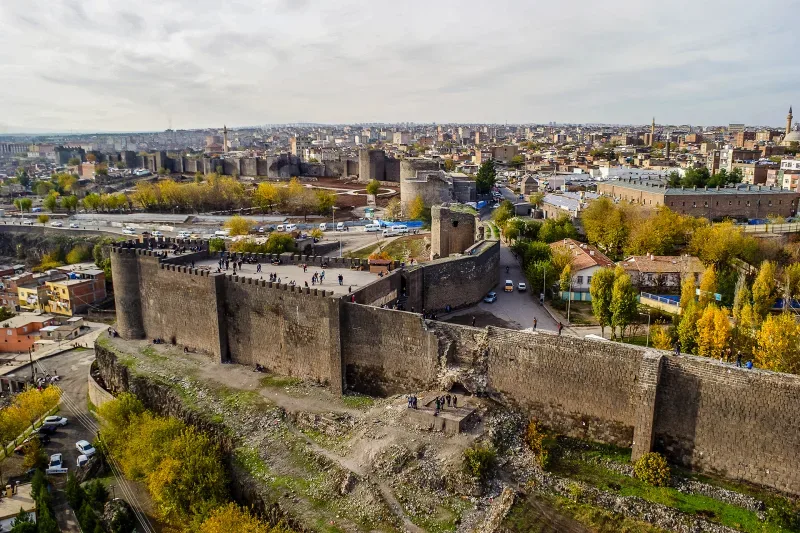
Diyarbakir is one of Turkey’s most powerful cultural destinations for travelers who want monumental history, deep urban character, faith heritage, and strong regional excursions in one journey. The city stands out immediately through its dark basalt architecture, massive fortifications, and the dramatic relationship between the old city and the Tigris valley below. It is especially valuable for a platform that lists accommodation and also organizes tours, because hotel demand and sightseeing demand are closely connected here. Whether travelers begin by comparing Diyarbakir hotels in the center or choosing a comfortable Diyarbakir hotel for a wider Mesopotamia itinerary, the destination offers several meaningful stay options. For guests who want accommodation and sightseeing together, Diyarbakir is also a very strong base for memorable Diyarbakir tours.
Read more Show less
One of Diyarbakir’s biggest strengths is that the city itself feels like a complete destination before any outer excursion even begins. Travelers come for the atmosphere of Sur, the famous walls, the courtyards, the inns, the mosques, and the feeling of walking through one of the most historically layered urban landscapes in the region. This makes the destination especially suitable for a hotel-and-tour platform, because one hotel booking can quickly turn into a rich city itinerary and then expand toward Zerzevan, Eğil, or Malabadi. A traveler may first search for Diyarbakir hotels and then move toward a Diyarbakir city tour, a Sur old city tour, or a Zerzevan Castle tour. In commercial terms, Diyarbakir performs best when accommodation and regional route planning are presented as one connected journey.
Sur is the natural heart of the destination and should always be central to the tourism narrative. Official tourism material presents Sur as the historic core where the city walls, İçkale, monumental mosques, inns, and old streets all come together in one dense urban landscape. This is why phrases such as Sur old city tour, Diyarbakir old city tour, and Diyarbakir historical tour fit naturally into the page. Guests who choose central Diyarbakir hotels often do so because they want direct access to this atmosphere rather than treating the city as only a short stop. In tourism terms, Sur is what gives Diyarbakir its strongest identity and its deepest sense of place.
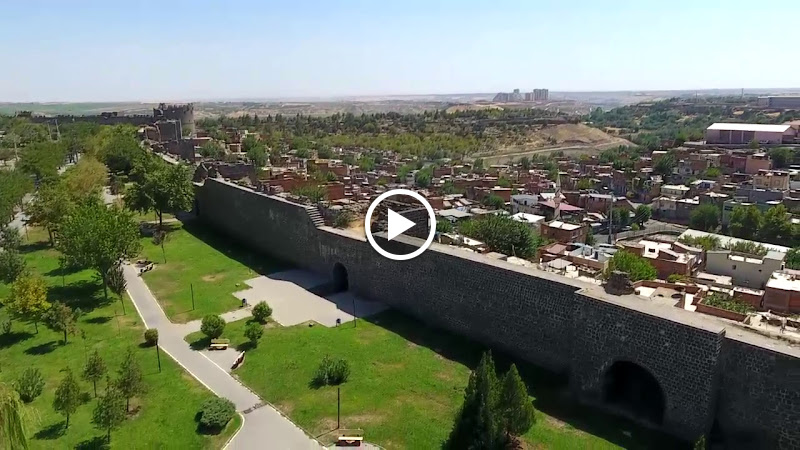
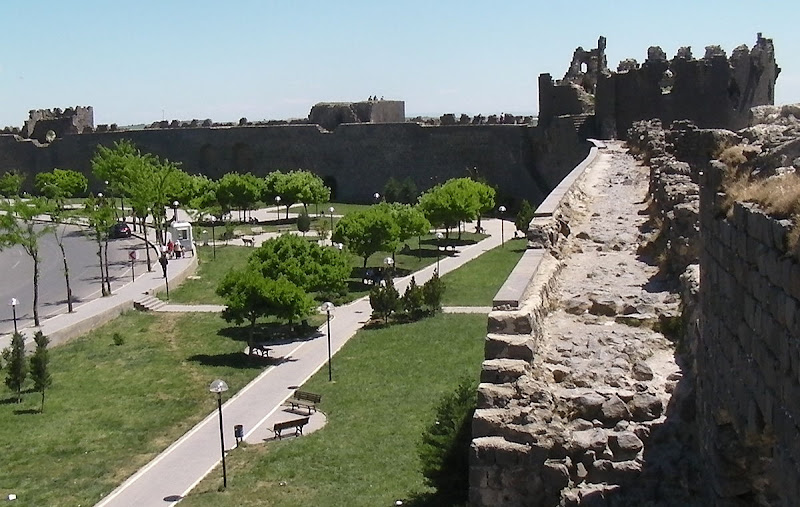
The Diyarbakir City Walls are the single most important symbol of the city and should always be treated as a headline attraction. UNESCO recognizes the Diyarbakır Fortress and Hevsel Gardens Cultural Landscape, and official sources emphasize the great extent of the walls, the inner and outer castle structure, and their place as the city’s defining monument. This is why phrases such as Diyarbakir city walls tour, Diyarbakir Fortress tour, and Sur city walls tour are among the most important in the destination’s SEO structure. Many travelers staying in Diyarbakir hotels build their first day around the walls because they immediately explain the scale, power, and continuity of the city. For a hotel-and-tour platform, the walls are the strongest bridge between accommodation intent and sightseeing value.
The appeal of the walls is stronger than a simple monument visit because they structure the whole way Diyarbakir is seen and experienced. Travelers are drawn by the basalt texture, the gates, the bastions, the inscriptions, and the way the fortifications still dominate the city’s visual identity. This makes a well-paced Diyarbakir city walls tour especially rewarding for photographers, history lovers, and first-time visitors who want to understand the city rather than only check off one landmark. Guests staying in a central Diyarbakir hotel often appreciate being able to encounter different sections of the walls throughout the day from different angles. In destination terms, the walls give Diyarbakir one of the most powerful urban silhouettes in Turkey.
Hevsel Gardens are another essential part of the destination and should always be presented together with the walls rather than separately. UNESCO’s description specifically emphasizes the fertile gardens between the fortress and the Tigris River, which historically supplied the city with food and connected the urban core to the wider landscape. This is why phrases such as Hevsel Gardens tour, Diyarbakir UNESCO tour, and Diyarbakir cultural landscape tour fit naturally into the page. Many travelers staying in Diyarbakir hotels are especially impressed by the way the city walls and gardens form one continuous historical and visual composition. For a hotel-and-tour platform, Hevsel gives Diyarbakir a stronger and more layered heritage identity.
İçkale is one of the most important parts of the old city and should always receive major emphasis in long-form content. Official tourism sources describe it as the first settlement point of the city and the continuous administrative core through long stretches of history. This is why phrases such as Ic Kale tour, Diyarbakir Archaeology Museum tour, and Diyarbakir old city tour fit very naturally into the destination structure. Guests staying in Diyarbakir hotels often begin their cultural route here because İçkale brings together archaeology, administrative history, and some of the city’s most meaningful monuments. In tourism terms, İçkale helps make Diyarbakir feel like a living archaeological city rather than only a place of isolated highlights.
Diyarbakir Grand Mosque is another headline attraction and should never be omitted from a serious destination page. Official tourism pages place the Grand Mosque at the core of the city experience, and it remains one of the strongest expressions of the city’s Islamic and urban heritage. This is why phrases such as Diyarbakir Grand Mosque tour, Diyarbakir Islamic tour, and Diyarbakir faith tour fit naturally into the page. Many travelers staying in central Diyarbakir hotels include the mosque early in their itinerary because it offers both architectural meaning and a strong sense of the city’s spiritual depth. For a hotel-and-tour platform, the Grand Mosque is one of the strongest culture-and-faith anchors in the city.
Hasan Paşa Hanı is another essential landmark and should always be included because it reflects how travelers actually experience Diyarbakir day by day. Official route pages specifically highlight starting the day with breakfast at the historic Hasan Paşa Inn, which shows that the site is not only architectural but also part of the city’s lived tourism rhythm. This is why phrases such as Hasan Pasa Hani tour, Diyarbakir breakfast tour, and Diyarbakir food tour fit very naturally into the destination structure. Guests staying in Diyarbakir hotels often remember Hasan Paşa Hanı as one of the places where the city feels most authentic and welcoming. In tourism terms, it connects architecture, local food, and daily life in one highly marketable stop.
Food is one of the major reasons travelers stay longer in Diyarbakir, and it should always be visible in the page. The city is strongly associated with specialties such as ciğer, kaburga, and broader southeastern culinary traditions, which makes gastronomy an important part of the destination rather than a secondary feature. This is why phrases such as Diyarbakir food tour, Diyarbakir gastronomy tour, and Diyarbakir local food experience fit naturally into the text. Guests staying in Diyarbakir hotels often use meals and breakfast stops as part of the travel experience rather than simple practical needs. In tourism terms, cuisine gives Diyarbakir warmth, local identity, and stronger repeat-visit appeal.
On Gözlü Bridge is one of the city’s most important visual landmarks and should always appear in long-form content. UNESCO’s site description specifically includes the Ten-Eyed Bridge as one of the significant attributes of the cultural landscape along the Tigris. This is why phrases such as On Gozlu Bridge tour, Diyarbakir bridge tour, and Tigris River tour in Diyarbakir fit naturally into the destination structure. Travelers staying in Diyarbakir hotels often appreciate this stop because it adds a softer, scenic, and more open riverside atmosphere after the dense stone texture of Sur. In destination terms, On Gözlü Bridge helps connect the old city with the wider valley landscape.
Hz. Süleyman Mosque and the nearby companions’ tombs add another important layer to the city’s faith identity and should not be forgotten in a serious destination page. Official tourism pages explicitly include this area within the central route, which makes clear that Diyarbakir’s old city is also a significant religious landscape. This is why phrases such as Diyarbakir faith tour, Hz Suleyman Mosque tour, and Diyarbakir Islamic heritage tour fit naturally into the text. Guests staying in Diyarbakir hotels who are interested in sacred travel often value this route as much as the more widely known monumental sites. In tourism terms, it gives the destination a deeper and more meaningful spiritual dimension.
Zerzevan Castle is one of the most important outer-district attractions in the province and should always be treated as a headline excursion. Official tourism sources identify Zerzevan Castle and the Temple of Mithras as a major route from Diyarbakir and note their placement on UNESCO’s Tentative List. This is why phrases such as Zerzevan Castle tour, Mithras Temple tour, and Zerzevan tour from Diyarbakir are among the strongest outer-route keywords for the destination. Many guests staying in Diyarbakir hotels choose this route because it offers a dramatic Roman-era site very different from the old city. For a hotel-and-tour platform, Zerzevan is one of the strongest ways to expand Diyarbakir beyond the urban core.
The appeal of Zerzevan is especially strong because it combines fortress atmosphere, archaeology, and one of the most unusual religious sites in the region. Travelers are drawn by the Roman border-garrison setting, the preserved above-ground remains, and especially the underground Temple of Mithras, which gives the site a powerful sense of mystery and significance. This makes a Zerzevan Castle and Mithras Temple tour especially attractive for history lovers, photographers, and travelers who want one very distinctive full-day excursion. Guests staying in Diyarbakir hotels often appreciate how strongly the route contrasts with Sur and the basalt city center. In destination terms, Zerzevan gives Diyarbakir a second major heritage identity beyond the walls.
Eğil is another essential destination and should always be given major emphasis in the page. Official tourism sources describe Eğil as an important cultural and faith-tourism center located about 52 kilometers from the city and emphasize its castle, caves, and the widely believed presence of prophets’ graves. This is why phrases such as Egil tour, Egil faith tour, and Egil Castle tour fit very naturally into the destination structure. Many travelers staying in Diyarbakir hotels choose Eğil when they want a route that combines landscape, religious significance, and ancient settlement identity. For a hotel-and-tour platform, Eğil is one of the strongest ways to broaden Diyarbakir into a full faith-and-history region.
The appeal of Eğil is especially strong because it offers a very different travel mood from the fortified city center. Visitors are drawn by the elevated views over the Dicle Dam, the idea of prophets’ tombs, the castle remains, and the way the site feels both sacred and dramatic in landscape terms. This makes an Egil faith tour especially attractive for mature cultural travelers, religious travelers, and visitors who want more than a standard monument itinerary. Guests staying in Diyarbakir hotels often appreciate how easily Eğil can be turned into a full and meaningful day trip. In destination terms, Eğil adds a highly distinctive faith-tourism layer to the province.
Malabadi Bridge is another major attraction and should never be omitted from a serious Diyarbakir destination page. Official tourism sources describe it as an Artukid-period bridge over Batman Creek and note its extraordinary pointed arch span, while also placing it on UNESCO’s Tentative List. This is why phrases such as Malabadi Bridge tour, Malabadi tour from Diyarbakir, and Diyarbakir Artukid tour fit naturally into the destination structure. Travelers staying in Diyarbakir hotels often respond strongly to this route because it offers one of the region’s most visually impressive examples of medieval engineering. In tourism terms, Malabadi gives the province another major monument outside the city walls.
The broader outer-route logic of Diyarbakir is one of its strongest commercial advantages because the province supports very different full-day experiences without losing its center. A traveler can spend one day entirely in Sur and İçkale, another in Zerzevan, and another in Eğil or Malabadi without needing to change hotel. This is why phrases such as full day Diyarbakir tour, private Diyarbakir tour, and Mesopotamia tour from Diyarbakir fit naturally into the page. Guests staying in Diyarbakir hotels benefit from this flexibility because the city works equally well for short cultural breaks and longer southeastern itineraries. In practical tourism terms, Diyarbakir is much easier to build into a rewarding trip than many travelers first assume.
Because the destination supports several different travel motives, hotel choice should always be linked to the visitor’s actual purpose. Some guests will want a central Diyarbakir hotel for Sur, the walls, Hasan Paşa Hanı, and easy access to the historic core, while others may prioritize broader regional touring and simply need a practical urban base. Travelers focused on faith heritage may want quick access to Hz. Süleyman Mosque and Eğil, while archaeology travelers may build their trip around Zerzevan and İçkale. This is why phrases such as book Diyarbakir hotel, Diyarbakir city center hotel, and old city Diyarbakir hotel can all fit naturally within the same destination page. A strong tourism text should help the visitor understand how each stay style creates a different version of a Diyarbakir trip.
Private and group formats both work very well in Diyarbakir because the province serves several distinct travel styles. A private Diyarbakir tour is ideal for couples, families, photographers, and travelers who want flexible pacing between Sur, İçkale, Zerzevan, Eğil, and Malabadi. At the same time, group Diyarbakir tours, a small group Zerzevan Castle tour, or a focused Diyarbakir old city tour remain highly attractive for visitors seeking easier logistics and strong value. This range is especially useful for a hotel-and-tour platform because it allows one destination page to serve heritage travelers, food travelers, faith travelers, and regional explorers at the same time. In tourism terms, flexibility is one of the strongest reasons Diyarbakir converts well from inspiration into bookings.
For all these reasons, Diyarbakir should be presented as one of Turkey’s most complete southeastern destinations rather than only as a city of walls. It offers the monumental urban strength of Diyarbakir hotels, Diyarbakir city walls tour, Sur old city tour, and Diyarbakir Grand Mosque tour, the atmospheric local identity of Hasan Pasa Hani tour and Diyarbakir food tour, the scenic cultural landscape of Hevsel Gardens tour and On Gozlu Bridge tour, and the wider regional power of Zerzevan Castle tour, Egil faith tour, and Malabadi Bridge tour. Travelers may begin with a simple hotel search, but their plans usually deepen once they discover how richly the province combines fortress heritage, faith routes, food culture, river landscapes, and strong full-day excursions. That is exactly why Diyarbakir is so valuable for a platform that lists hotels and also organizes tours. It is a destination where Mesopotamian depth, strong subregional variety, unforgettable visuals, and real booking intent come together in one highly marketable travel experience.
Hotels in Diyarbakir
Curated listings
100 hotels
No hotels match your search.

Featured Tours

TRP60
Izmir and Ephesus Biblical Heritage Tour
From Istanbul
Join a 2 days Izmir and Ephesus Biblical Heritage Tour from Istanbul by flight with private VIP vehicle. Explore Kadifekale, Izmir Agora, Sa...
TRD05
Bodrum Gulet Blue Cruise Tour
From Bodrum
Enjoy a full-day private boat tour from Bodrum with Gulet cruising, swimming stops at Black Island, Camel Beach, and Aquarium Bay, plus onbo...

TRD73
Izmir Jewish Heritage Experience
From Izmir
Discover Izmir’s Jewish heritage on a full-day private tour including Beth Israel Synagogue, Havra Street synagogues, Dario Moreno Street, A...
C07
Aegean and Anatolian Heritage Trail
From Athens
Discover a 12 day Athens to Istanbul and Cappadocia combined tour from Athens by ferry and flight with Acropolis, Delphi, Santorini, Istanbu...
Diyarbakir
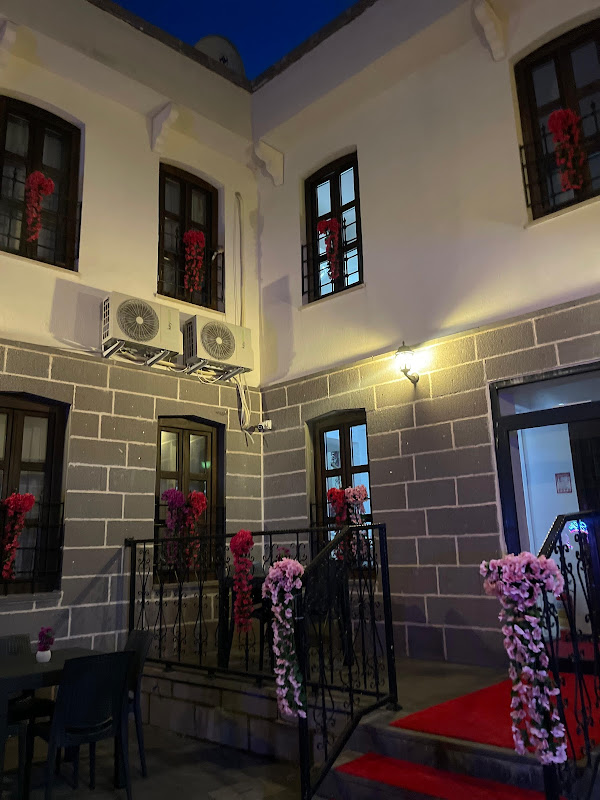
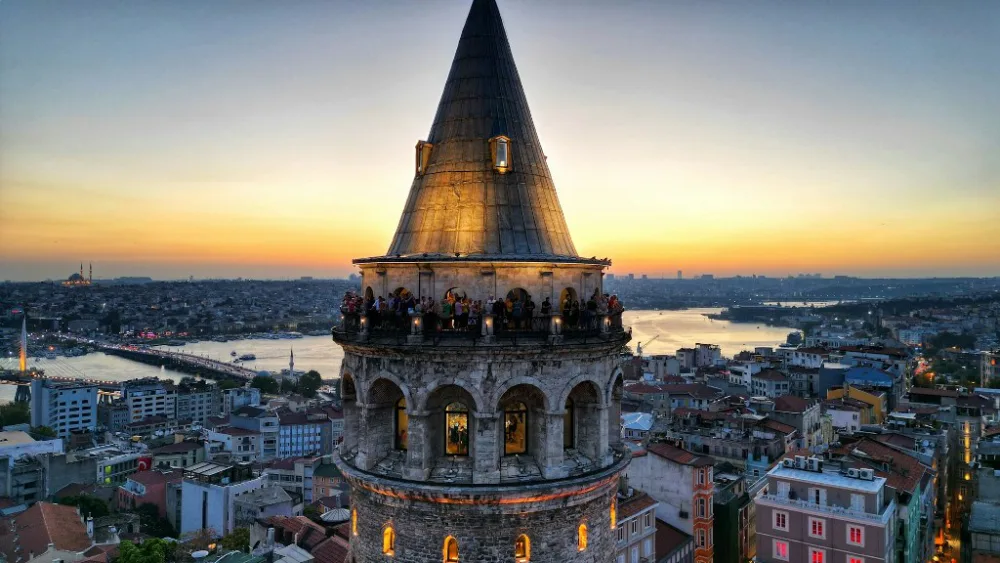
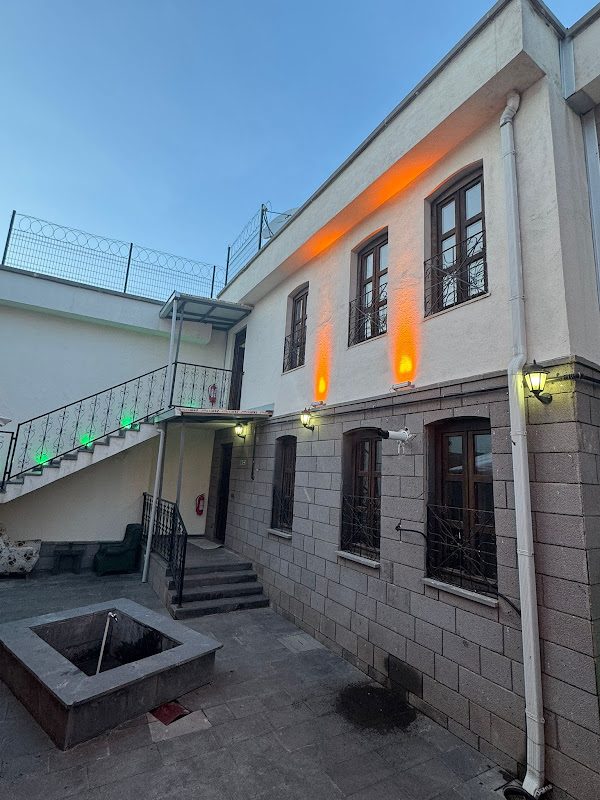
Vintage diyarbakır butik otel
dublexler dış kapı, hasırlı mahallesi yıkıkkaya 1.çıkmaz sokak 44 konutlu, no3 iç kapı no a6, 21010 Sur/Diyarbakır
Diyarbakir
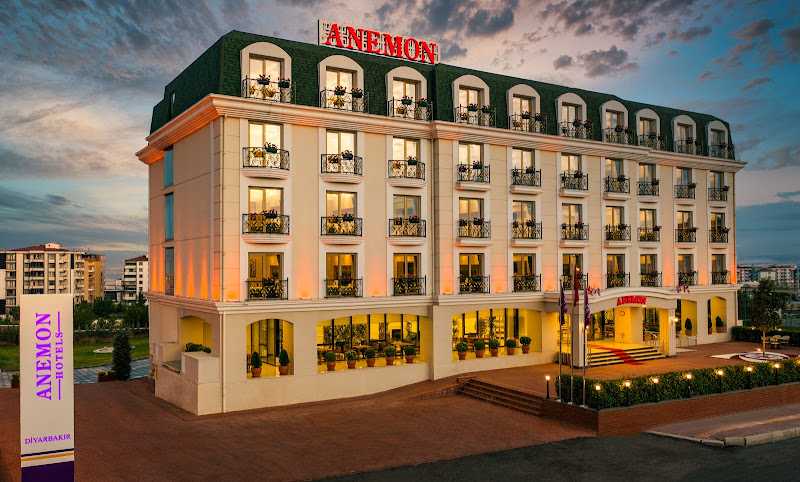
Anemon Diyarbakır Otel
Unfussy quarters, some with balconies, in a relaxed hotel offering a restaurant & an indoor pool.
Diyarbakir
Diyarbakır Turistik Palas Otel
Yenişehir, Elazığ Bulvarı No:7/A, 21100 Yenişehir/Diyarbakır
Diyarbakir
New Garden Hotel
Warm hotel offering relaxed rooms, some with hammams, plus casual dining, a terrace & a sauna.
Diyarbakir
Suriçi Otel
Sur içi mah.ben leda yapı, Lalebey, D:965 ada 34 parsel no:11 / D: 5, 21100, 21300 Sur/Diyarbakır
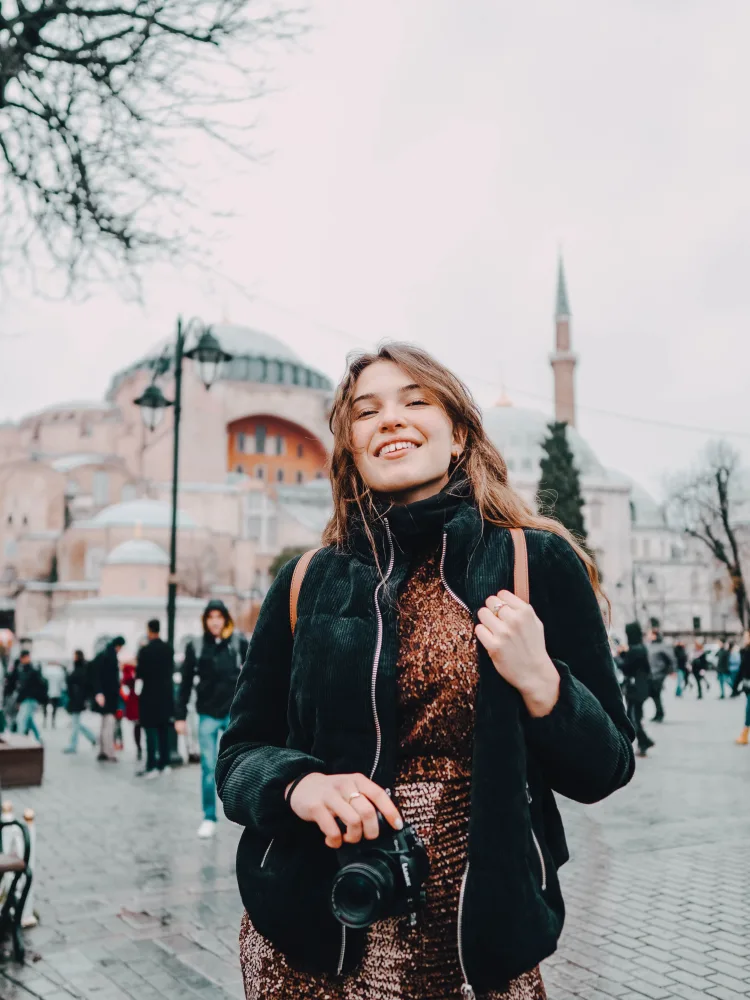 Istanbul Tours
Discover Istanbul with Curated Tour Programs
Historic neighborhoods, cultural sites, and local experiences designed for flexible Istanbul holidays.
View Istanbul Tours
Istanbul Tours
Discover Istanbul with Curated Tour Programs
Historic neighborhoods, cultural sites, and local experiences designed for flexible Istanbul holidays.
View Istanbul Tours
Diyarbakir
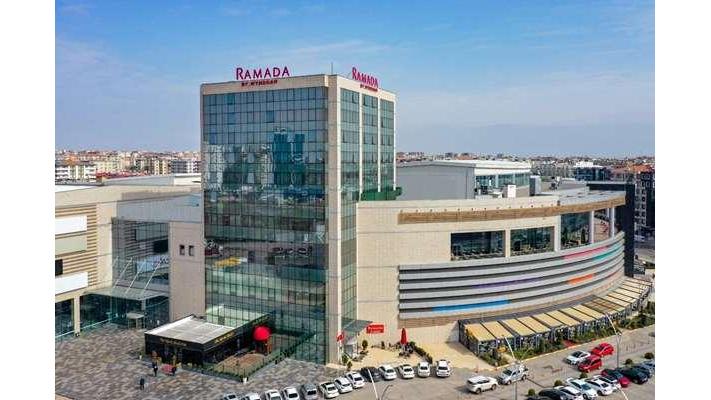
Ramada by Wyndham Diyarbakir
Informal hotel offering low-key rooms with city views, plus dining & free breakfast.
Diyarbakir
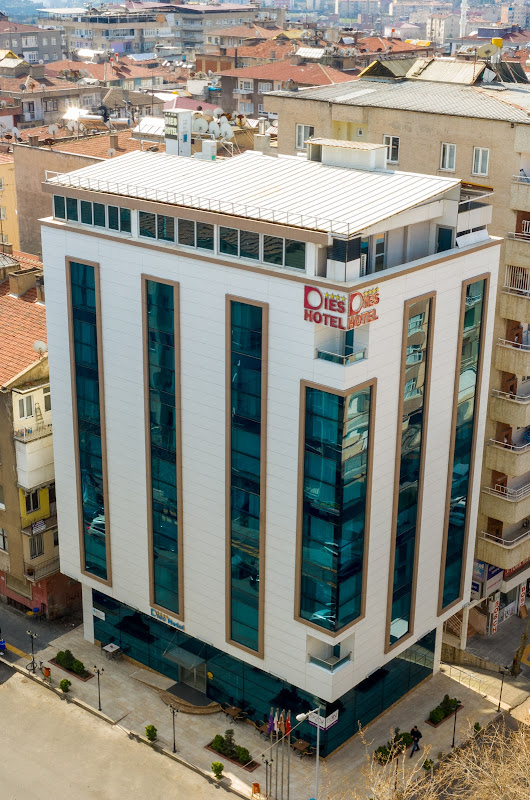
Dies Hotel
Warmly decorated rooms & suites with city views in a relaxed hotel offering a restaurant & parking.
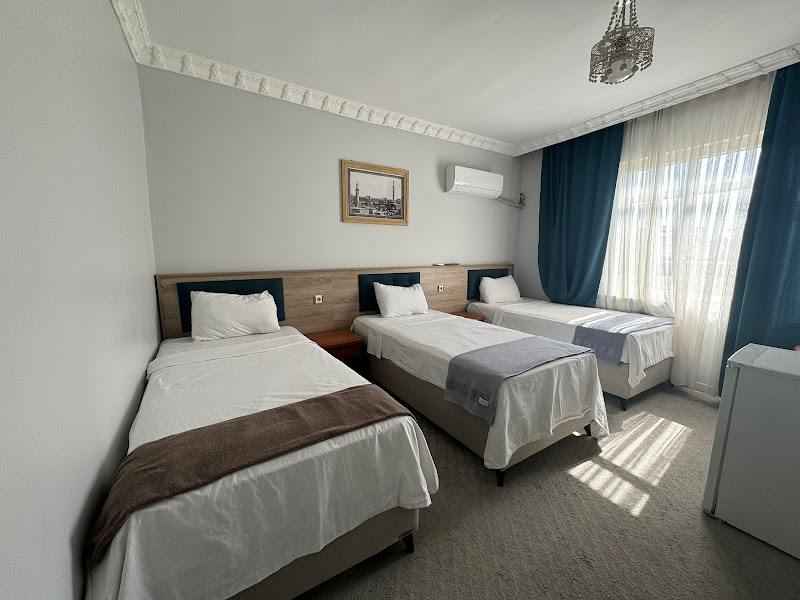

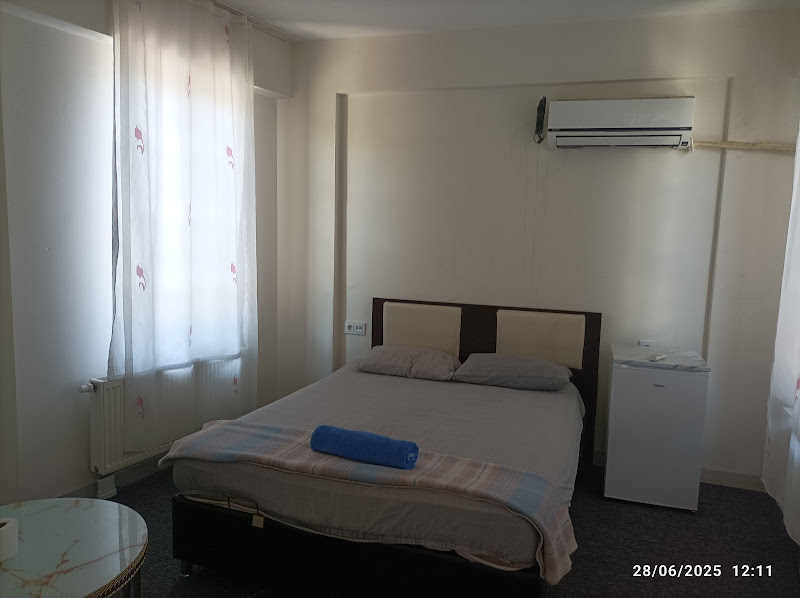
Diyarbakir
Floryalı Suit Otel
Taşkıran Sitesi, Fabrika, Elazığ Cd. No:210/CA C Blok, 21100 Yenişehir/Diyarbakır
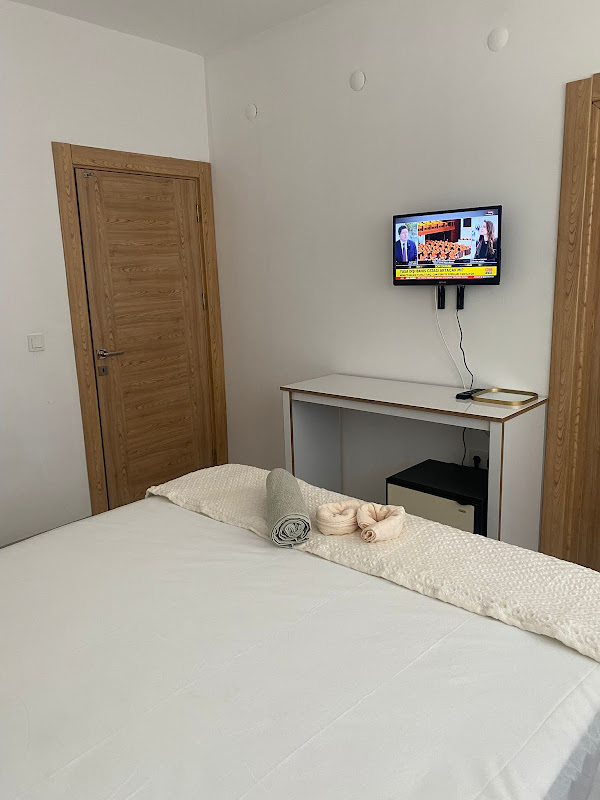
Diyarbakir
Hasuni Taş Hotel
Warm rooms, most with exposed-brick walls, in a relaxed hotel offering a restaurant & city views.
Diyarbakir
Radisson Blu Hotel, Diyarbakir
Upscale hotel offering a hammam, a hot tub & an indoor pool, plus a restaurant, a bar & a terrace.
Diyarbakir
The City Walls Suit Otel
Selahattin Eyyubi, Urfa Bulvarı YAN YOL NO 3, 21080 Bağlar/Diyarbakır
 Egypt Tours
Classic Egypt Tours and Nile Travel Ideas
Pyramids, Cairo and Upper Egypt itineraries with guided planning for first-time and repeat travelers.
See Egypt Tours
Egypt Tours
Classic Egypt Tours and Nile Travel Ideas
Pyramids, Cairo and Upper Egypt itineraries with guided planning for first-time and repeat travelers.
See Egypt Tours
Diyarbakir
Divan Diyarbakır Otel
Streamlined quarters in a polished hotel offering a restaurant/bar, plus an outdoor pool & a spa.
Diyarbakir
Diyarbakır Apart Otel
Sur içi mah.ben leda yapı, Lalebey, D:965 ada 34 parsel no:3 / D: 1, 21100 Sur/Diyarbakır
Diyarbakir
Diyarbakır Büyükşehir Belediyesi Konukevi
Yenişehir, Yıldız Sk. 3-5, 21100 Yenişehir/Diyarbakır
Diyarbakir
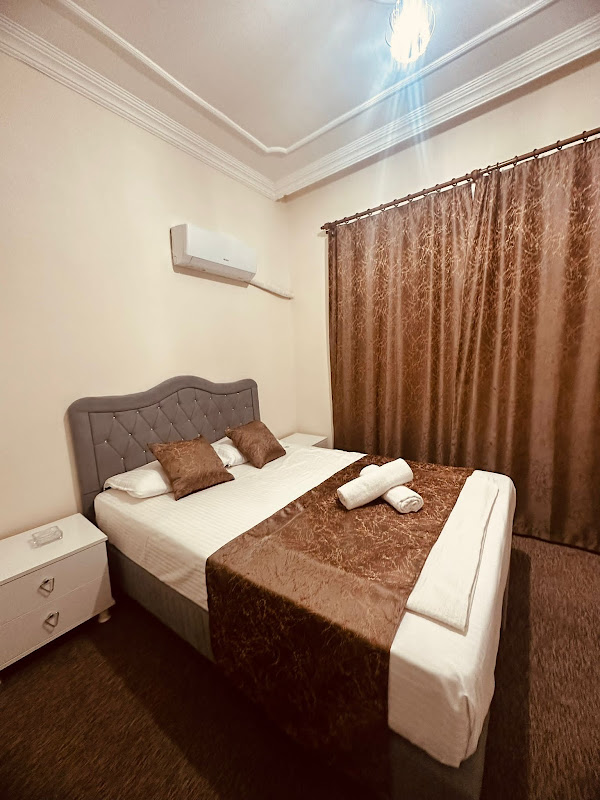
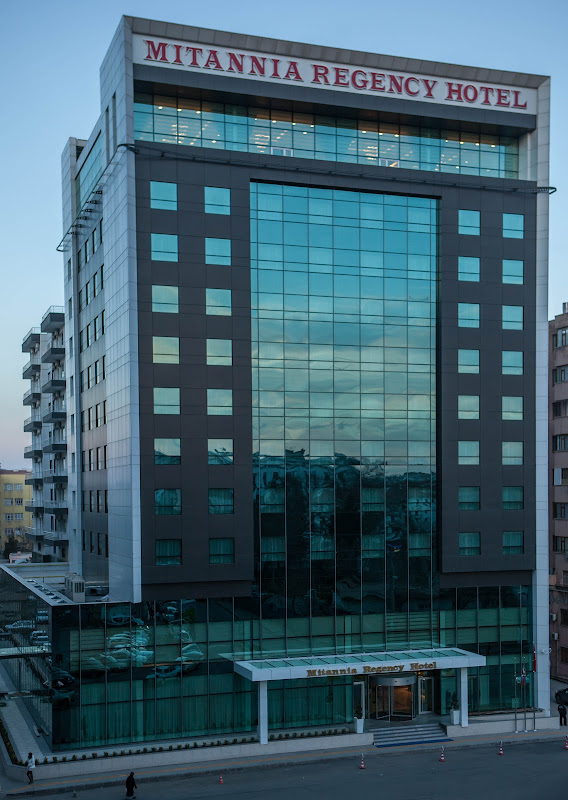
Mitannia Regency Hotel
Polished rooms in a sleek hotel offering dining, a bar, an indoor pool, a gym & a spa.
Diyarbakir
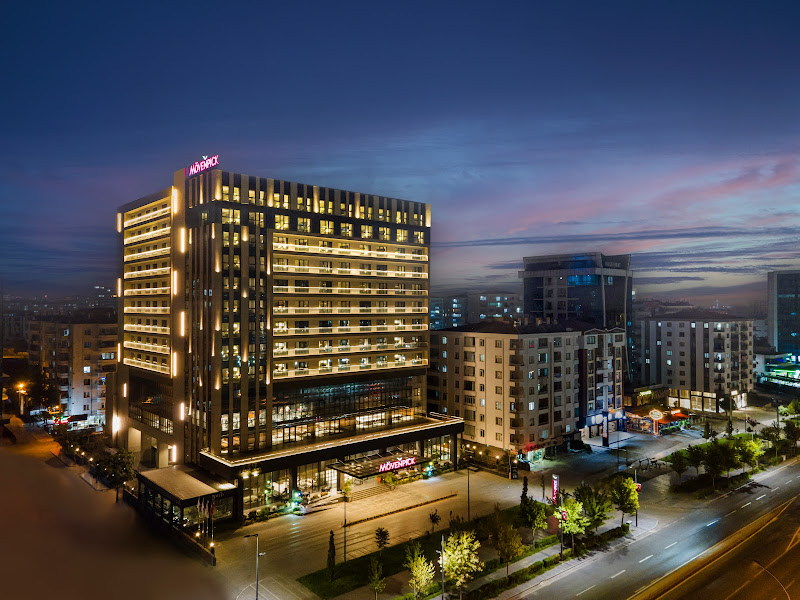
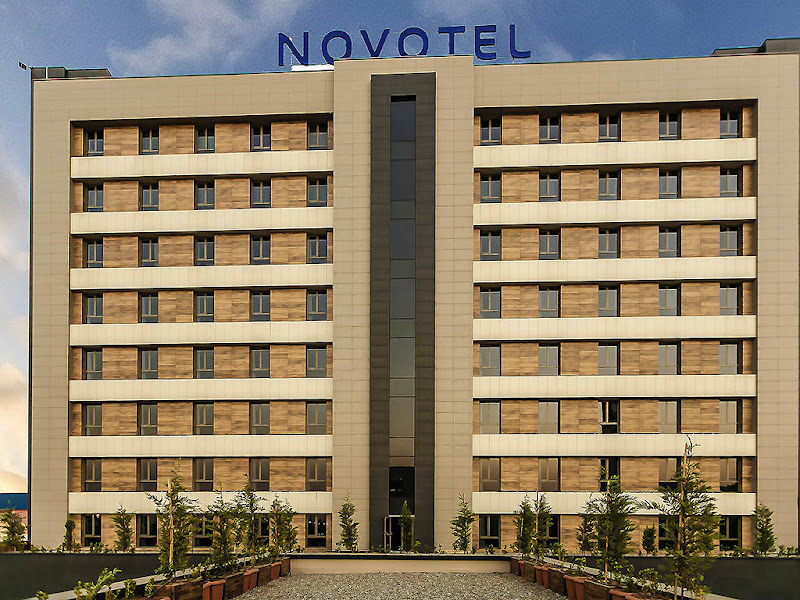
Novotel Diyarbakir
Airy rooms in a laid-back hotel offering a restaurant, a bar & 4 meeting rooms, plus a sauna.
Diyarbakir
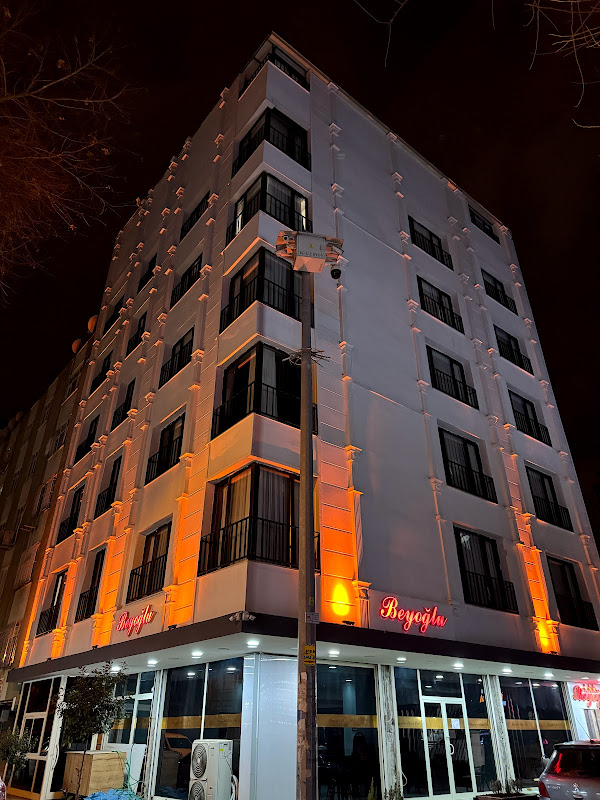
BEYOĞLU PALAS HOTEL
Beyoğlu Palas, Kooperatifler, Akkoyunlu 1. Sk. No.4A, 21100 Yenişehir/Diyarbakır
Diyarbakir
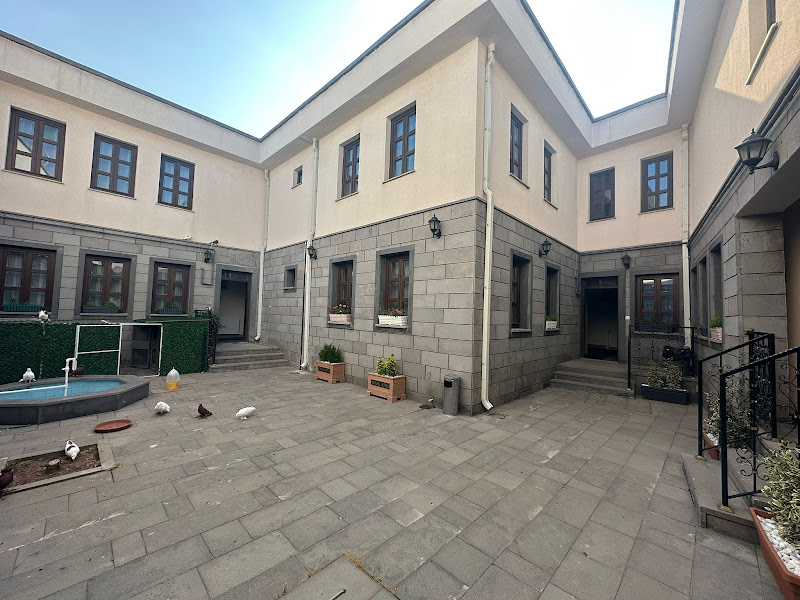
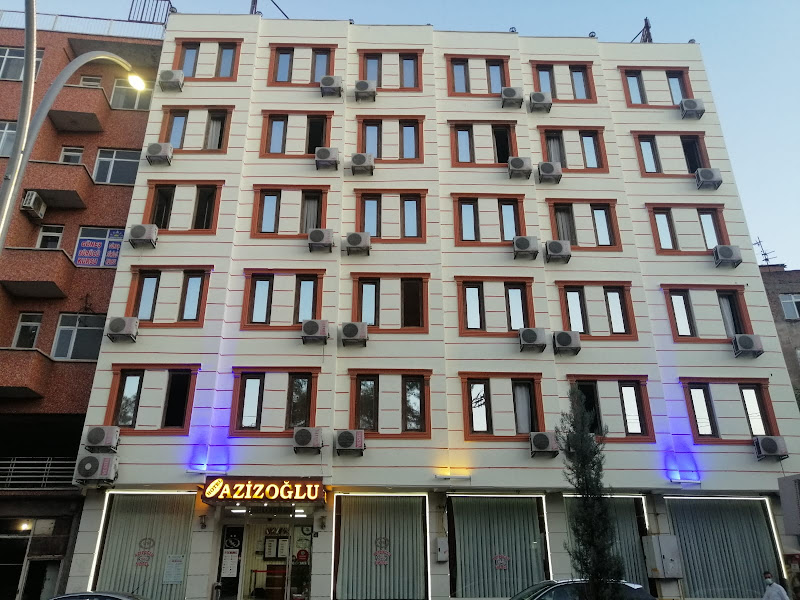
AZİZOĞLU MALKOÇ HOTEL
TEKKAPI KARŞISI SUR BELEDİYESİ BİTİŞİĞİ, İskenderpaşa, İnönü Blv. NO:41, 21300 Sur/Diyarbakır
Diyarbakir
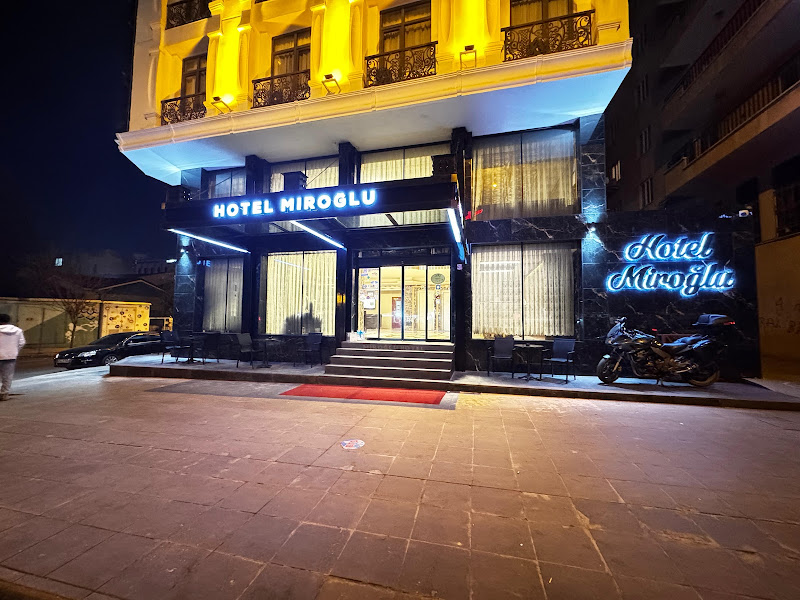
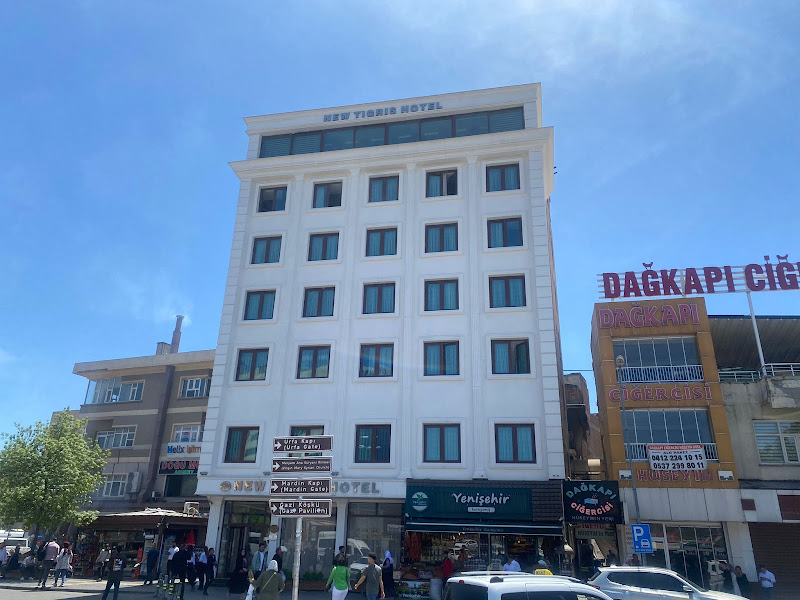
Miroğlu Hotel
Basic rooms in a simple hotel with a gym & an outdoor pool, as well as a sauna & 2 conference rooms.
Diyarbakir
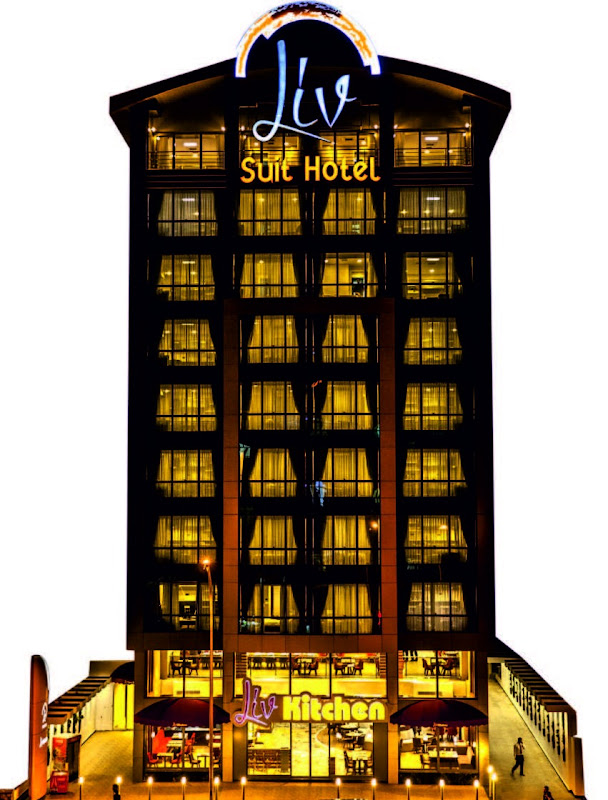
Liv Suit Hotel
Warm rooms & suites in a straightforward hotel with a restaurant & a gym, plus a spa area.
 Cappadocia Tours
Explore Cappadocia with Guided Tours
Discover the unique landscapes and ancient cave cities of Cappadocia.
View Cappadocia Tours
Cappadocia Tours
Explore Cappadocia with Guided Tours
Discover the unique landscapes and ancient cave cities of Cappadocia.
View Cappadocia Tours
Diyarbakir
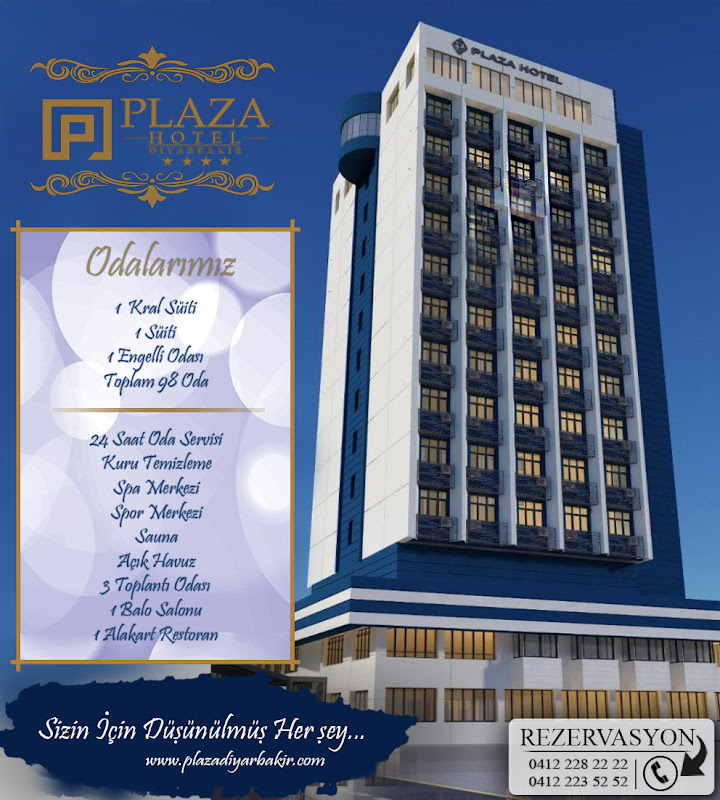
Plaza Hotel Diyarbakir
Relaxed hotel offering a restaurant & a lobby bar, plus parking & 24-hour room service.
Diyarbakir
Prestige Hotel
Contemporary quarters in an upmarket property offering a restaurant & a cafe/bar.
Diyarbakir
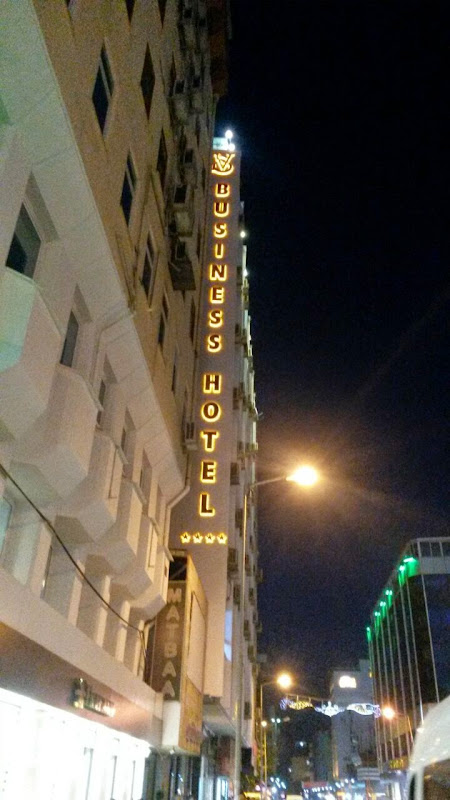
Sv Business Hotel Diyarbakir
Relaxed quarters in a refined hotel featuring 2 restaurants & a casual bar, plus a fitness center.
Diyarbakir
Wyndham Garden Diyarbakır
Yenişehir, Dr. Şeref İnalöz Cd. No:28, 21100 Yenişehir/Diyarbakır
Diyarbakir
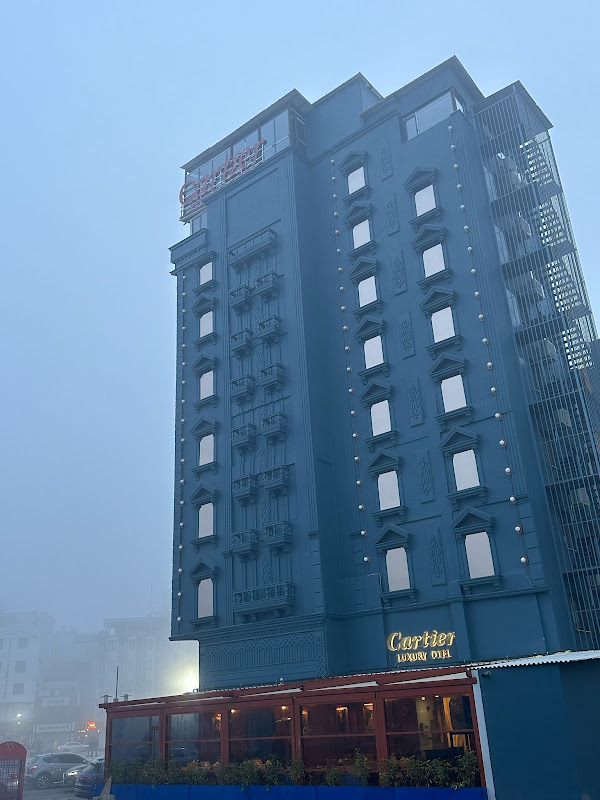
Blue Kartier Otel
Blue Kartier Otel, Yenişehir, Ali Emiri Cd. N0:4, 21100 Yenişehir/Diyarbakır
Diyarbakir
Köprücü Hotel
Down-to-earth rooms with flat-screens in an unassuming hotel featuring complimentary breakfast.
Diyarbakir
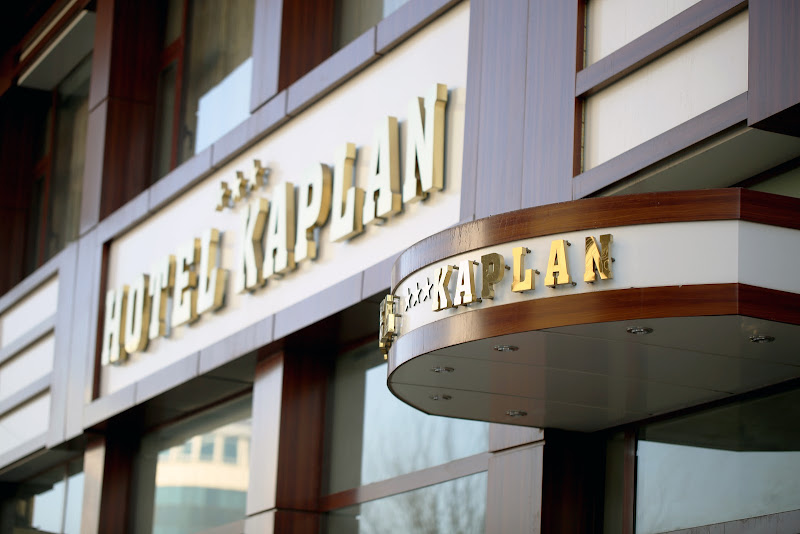
Hotel Kaplan
Unpretentious rooms & suites featuring flat-screen TVs, as well as a relaxed lobby lounge.
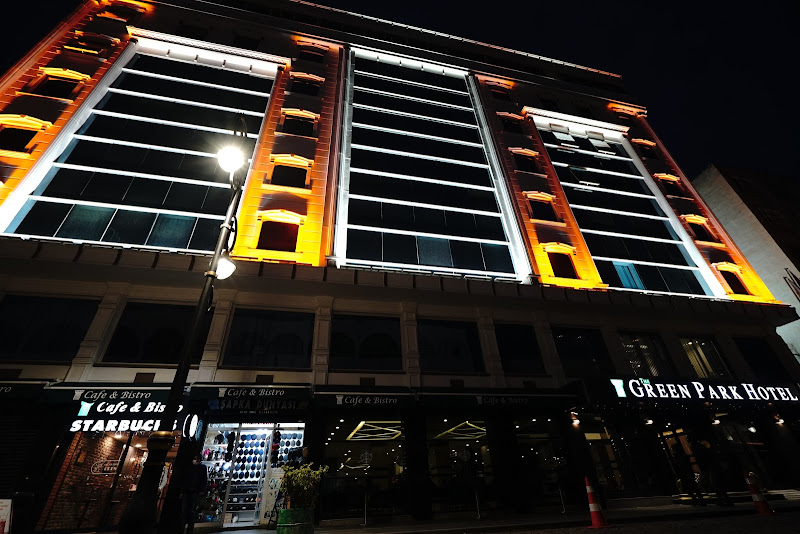
Diyarbakir
The Green Park Hotel Diyarbakır **** 4 yıldızlı
Refined hotel in a long-standing mansion with a restaurant, a wine cellar & a spa, plus a museum.
 Antalya Tours
Discover Antalya with Guided Tours
Discover the beautiful coastline and historic sites of Antalya.
View Antalya Tours
Antalya Tours
Discover Antalya with Guided Tours
Discover the beautiful coastline and historic sites of Antalya.
View Antalya Tours
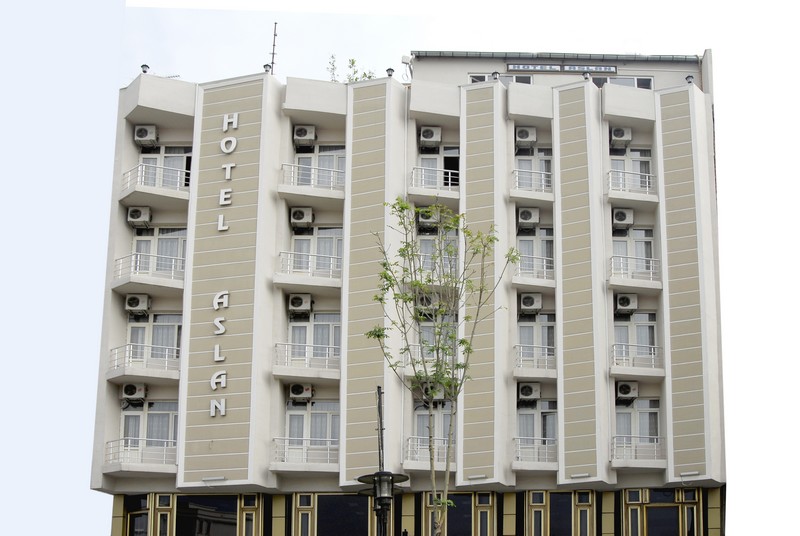
Diyarbakir
Malabadi Hotel
Simple hotel featuring straightforward rooms, a basic restaurant & an outdoor pool.
Diyarbakir
Turistik Otel
Unfussy hotel featuring simply furnished quarters, plus a grill restaurant & an outdoor pool.
Diyarbakir
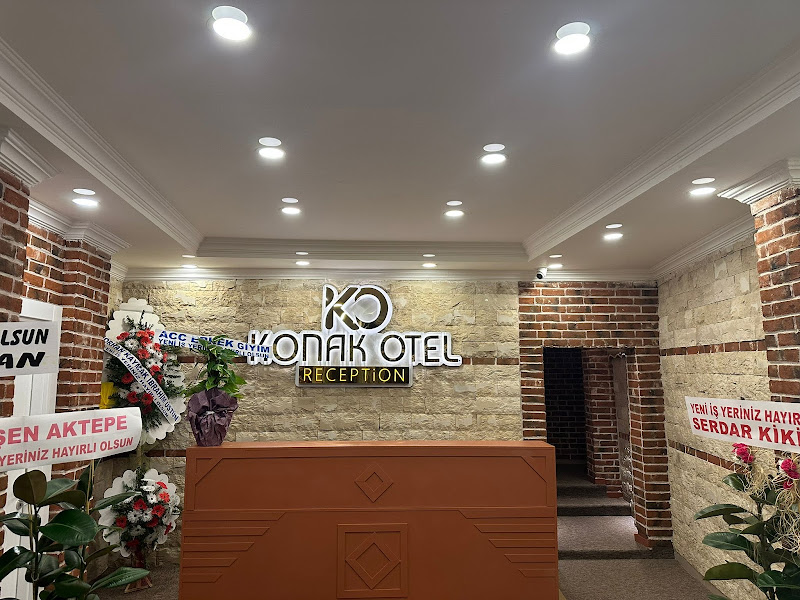
CARTİER LUXURY OTEL
Yenişehir, Ali Emiri Cd. No4 iç Kapı No:1, 21100 Yenişehir/Diyarbakır
Diyarbakir
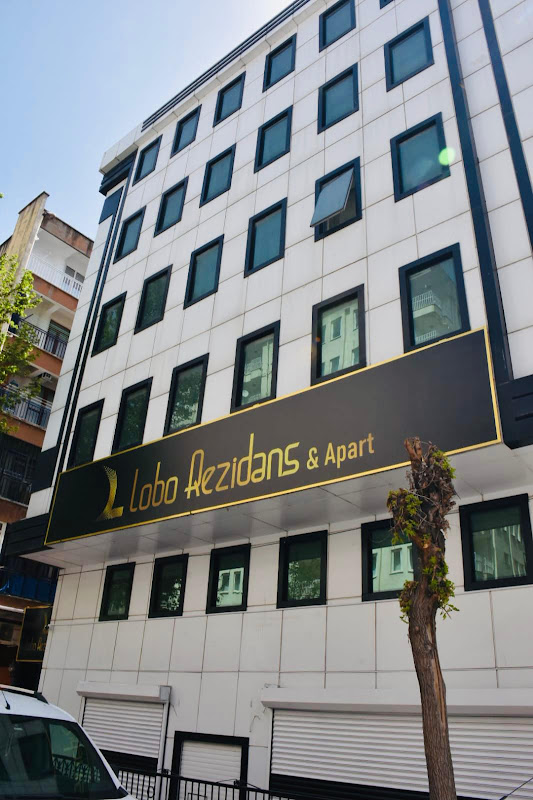
lobo rezidans&apart
ziraat bankası karşısı, Yenişehir, Lise Cd. no:39, 21100 Yenişehir/Diyarbakır
Diyarbakir
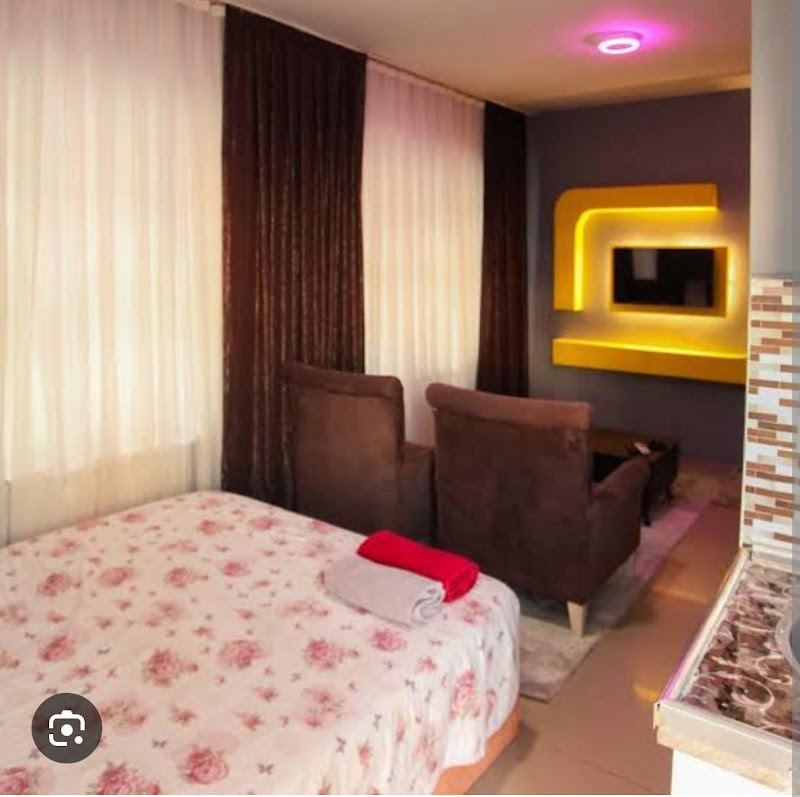
Diyarbakır günlük apart otel
South Eastern Anatolia Region, Diyarbakır Ofis Murat Apart Otel Diyarbakır Ofis Semti 3 4 5 Kat, 02190
Diyarbakir
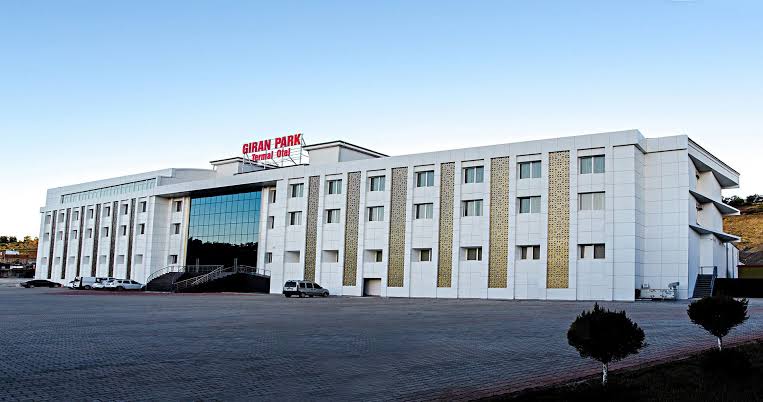
Gıran Park Termal Otel
Casual rooms in a laid-back hotel offering free breakfast & dinner, plus a spa with an indoor pool.
 Izmir Tours
Discover Izmir with Guided Tours
Explore the vibrant city of Izmir and its surrounding areas.
View Izmir Tours
Izmir Tours
Discover Izmir with Guided Tours
Explore the vibrant city of Izmir and its surrounding areas.
View Izmir Tours
Diyarbakir
Farabi Anadolu İmam Hatip Lisesi Pansiyonu
Kooperatifler, Akkoyunlu Cd., 21100 Yenişehir/Diyarbakır
Diyarbakir
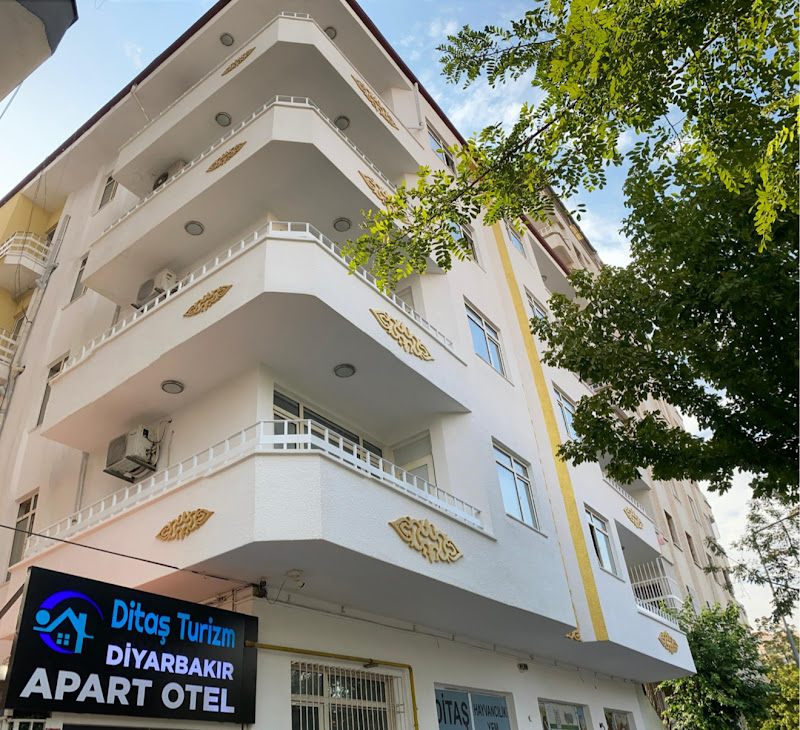
Diyarbakır Apart Otel (Ditaş Turizm)
Yenişehir, Ali Emiri 3. Sk. No:7, 21100 Yenişehir/Diyarbakır