Destination
Kilis
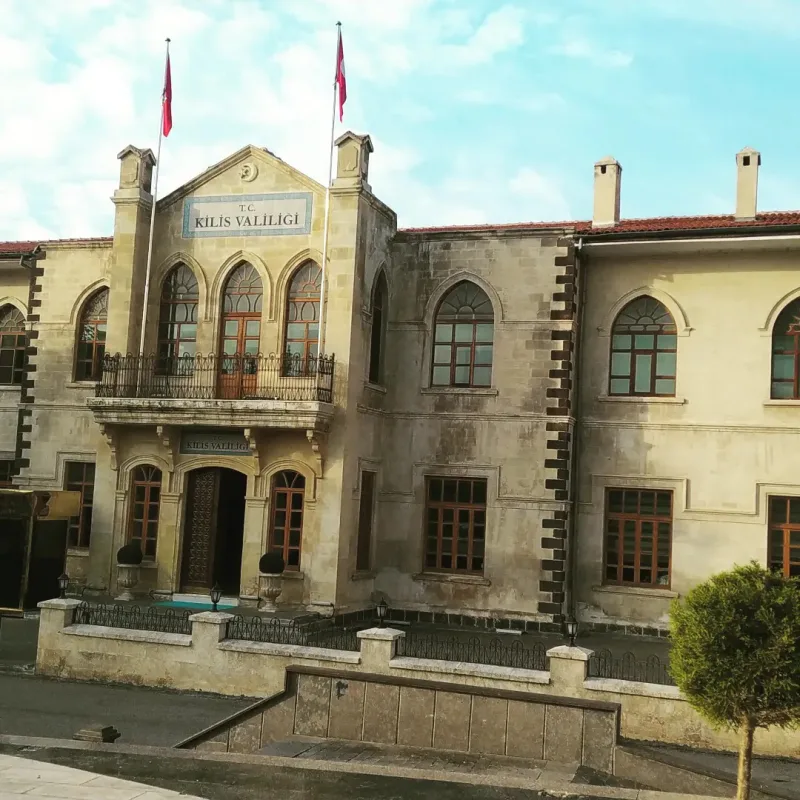
Kilis is one of Turkey’s most distinctive border destinations for travelers who want stone streets, archaeological mounds, fortress views, faith heritage, and strong local gastronomy in one trip. The province is especially valuable because it combines a compact historical center with meaningful cultural and archaeological routes around it. This makes it highly suitable for a platform that lists accommodation and also organizes tours, because hotel demand and excursion demand naturally support one another here. Whether travelers begin by comparing Kilis hotels in the center or choosing a practical Kilis hotel for a wider southeastern itinerary, the destination offers a coherent and memorable stay experience. For guests who want accommodation and sightseeing together, Kilis is also a very strong base for rewarding Kilis tours.
Read more Show less
One of Kilis’s biggest strengths is that real travel intent is not built only around generic city tourism, but around a compact set of highly usable routes. Many visitors come for Kilis city tour experiences, while others are drawn more specifically by Ravanda Castle tour, Oylum Hoyuk tour, Kilis faith tour, and Kilis gastronomy tour. This is especially useful for a hotel-and-tour platform, because a traveler can first search for Kilis hotels and then quickly expand the plan into food, history, and culture. The province works well for short stays, private day routes, and slower cultural weekends. In commercial terms, Kilis performs best when accommodation and touring are presented as one connected travel experience.
Kilis city center should always remain visible in the destination narrative because it is the practical heart of the province. Guests who choose central Kilis hotels usually want easy access to the old neighborhoods, historical mosques, museums, bazaars, and the short-distance routes leading toward Ravanda and Oylum. This kind of stay is especially useful for travelers who want to explore without changing hotels or losing time in transfers. A well-located Kilis hotel also makes it easier to enjoy local restaurants and evening walks after daytime sightseeing. In practical tourism terms, the center works as the organizing hub of the whole province.
The city itself should never be treated only as a stopover, because old Kilis has a very clear architectural identity. Historical stone houses, narrow streets, inner courtyards, and neighborhood texture give the destination a strong atmosphere that supports both culture travel and boutique-style city exploration. This is why phrases such as Kilis old city tour, Kilis historical tour, and Kilis cultural tour fit naturally into the page. Travelers staying in Kilis hotels often appreciate that the destination feels compact yet layered rather than oversized and tiring. In tourism terms, this gives Kilis a stronger and more complete stay identity.
Akcurun is one of the most important city-side tourism areas and should always appear in a serious Kilis page. Official cultural material presents the historical Akcurun area as one of the province’s main tourism centers, bringing together a historical street, nearby religious buildings, and museum-related points in one urban cluster. This is why phrases such as Akcurun Street tour, Kilis old streets tour, and Kilis historical center tour fit very naturally into the destination structure. Many travelers staying in Kilis hotels can begin their city walk here and continue easily through the rest of the old quarter. In tourism terms, Akcurun gives Kilis one of its strongest urban heritage identities.
Neşet Efendi Konağı is another major landmark and should always be included because it reflects the city’s traditional residential architecture very clearly. Official sources describe it as a mansion representing traditional Kilis house architecture, and that makes it especially useful for visitors who want to understand the domestic side of the city rather than only its religious monuments. This is why phrases such as Neşet Efendi Konağı tour, Kilis mansion tour, and Kilis architecture tour fit naturally into the page. Guests staying in Kilis hotels often appreciate that the route can combine mansions, streets, and cultural stops in one coherent sequence. In tourism terms, the mansion strengthens the city’s boutique and heritage appeal.
Ulu Cami is one of the most important monuments in Kilis and should always be treated as a headline attraction in the city-center route. Official sources place it among the oldest and most important religious buildings in the province, and it remains one of the strongest visual and historical anchors of the urban core. This is why phrases such as Ulu Cami tour, Kilis mosque tour, and Kilis faith and culture tour are among the most important in the province’s SEO structure. Many travelers staying in Kilis hotels naturally include it in their first city walk. In tourism terms, Ulu Cami is one of the strongest bridges between accommodation intent and cultural sightseeing.
Mevlevihane is another meaningful stop and should always appear in long-form content because it adds spiritual and cultural depth to the city center. It strengthens Kilis by showing that the province is not only a city of streets and tombs, but also a place where religious and intellectual traditions shaped the built environment. This is why phrases such as Mevlevihane tour, Kilis spiritual heritage tour, and Kilis cultural route fit naturally into the page. Travelers staying in Kilis hotels often appreciate that these sites help the city feel richer and more layered than a simple frontier town. In tourism terms, Mevlevihane adds important character to the central route.
Faith tourism is one of the most important reasons to describe Kilis carefully, and it should never be treated as secondary. Official tourism pages emphasize that Kilis is among the leading cities in Turkey for sahabe tombs and faith-related heritage, and route pages repeatedly include these places among the province’s core visitor experiences. This is why phrases such as Kilis faith tour, Kilis religious tour, and sahabe tombs tour in Kilis fit very naturally into the destination structure. Many travelers visit Kilis specifically for this side of the city rather than only for food or architecture. In tourism terms, faith travel gives Kilis one of its strongest and most distinctive tourism identities.
Şurahbil Bin Hasene is one of the most important faith-tourism sites in the province and should always be highlighted. Official sources describe the site as a complex with tomb and zaviye elements in the city, which makes it more than a symbolic stop and gives it real architectural presence. This is why phrases such as Şurahbil Bin Hasene tour, Kilis sahabe tour, and Kilis shrine tour fit naturally into the page. Many travelers staying in Kilis hotels include this route because it anchors the city’s religious identity very strongly. In tourism terms, it is one of the most valuable stops for heritage-led and faith-led itineraries.
Other faith landmarks such as Talha ve Zübeyr Türbesi, Şeyh Muhammed Bedevi, and related shrine routes should also appear with moderation because they reflect how visitors actually experience Kilis. The city’s religious heritage is not concentrated in one single monument, but spread through several meaningful stops that together create a stronger route. This is why phrases such as Kilis shrine route, Talha ve Zübeyr Türbesi tour, and Şeyh Muhammed Bedevi tour fit naturally into the page. Travelers staying in Kilis hotels often appreciate that these places can be combined with the old city and food experience in the same day. In tourism terms, this makes Kilis much more complete as a compact destination.
Ravanda Castle is the single strongest history-and-viewpoint attraction in the province and should always be treated as a headline destination. Official tourism pages place Ravanda directly among Kilis’s core routes, and both route pages and city summaries identify it as one of the province’s must-see landmarks. This is why phrases such as Ravanda Castle tour, Ravanda Kalesi tour, and Kilis castle tour are among the most important in the province’s SEO structure. Many travelers know Kilis first through Ravanda rather than through the city center or food culture. For a hotel-and-tour platform, Ravanda is one of the strongest conversion points in the whole province.
The appeal of Ravanda Castle is especially strong because it combines a historical atmosphere with wide landscape views in one destination. Travelers are drawn by the ruined walls, elevated position, open sky, and the feeling of visiting a place that has served different defensive purposes across long stretches of history. This makes a Ravanda Castle tour especially attractive for photographers, couples, and travelers who want a visually strong half-day route. Guests staying in Kilis hotels often appreciate that the site adds a scenic outdoor dimension to an itinerary otherwise focused on city streets and faith monuments. In tourism terms, Ravanda gives Kilis one of its strongest and most marketable visual identities.
Oylum Höyük is another essential attraction and should always be treated as a headline historical route, especially because ancient-site-focused searches matter in Kilis. Official tourism sources describe it as one of the major archaeological centers of the region, positioned at the meeting point of Anatolia, Syria, and Mesopotamia and continuing from prehistoric periods through later eras. This is why phrases such as Oylum Hoyuk tour, Oylum Höyük archaeological tour, and Kilis archaeology tour are among the most important in the province’s SEO structure. Many travelers interested in deeper history know Kilis first through Oylum rather than only through Ravanda or the city center. For a hotel-and-tour platform, Oylum Höyük gives Kilis major time-depth and serious cultural value.
The appeal of Oylum Höyük is especially strong because it links Kilis not only to local history but to broader Near Eastern cultural geography. Travelers are drawn by the scale of the mound, the excavation story, the strategic crossroads location, and the fact that the site helps explain why Kilis has always been more than a simple border city. This makes a well-paced Oylum Hoyuk tour especially attractive for archaeology lovers, educational travelers, and guests who want more than only urban heritage. Visitors staying in Kilis hotels often appreciate that Oylum can be paired naturally with Ravanda or the city route in a full day. In tourism terms, Oylum strengthens Kilis as a destination of both culture and meaning.
The Oylum route becomes even stronger when the mosaic basilica side is included, and this should always be visible in a complete Kilis page. Official tourism material places the mosaic basilica together with Oylum Höyük inside the province’s main visitor route, which shows that the area works best as a layered archaeological and faith-related corridor rather than one isolated mound. This is why phrases such as Oylum Basilica tour, Aidesim Mosaic Basilica tour, and Oylum cultural route fit naturally into the destination structure. Travelers staying in Kilis hotels often appreciate that the province offers both mound archaeology and early religious heritage in the same area. In tourism terms, this adds depth and route variety to Kilis.
Kilis also benefits from a strong gastronomy identity, and this should always be visible because food is one of the clearest reasons people remember the city. Official culinary sources and destination pages highlight dishes such as Kilis tava, lebeniye, müceddere, kübbülmüşviyye, and haytalya, while GoTurkey pages also emphasize local breakfast culture with zahter. This is why phrases such as Kilis food tour, Kilis gastronomy tour, Kilis tava experience, and traditional Kilis breakfast fit very naturally into the page. Many travelers staying in Kilis hotels discover that food is not a side detail but one of the core strengths of the destination. In tourism terms, gastronomy gives Kilis warmth, memorability, and strong repeat-visit potential.
The appeal of Kilis cuisine is especially strong because it reflects the city’s borderland character and rich spice culture. Travelers are drawn by the strong flavors, olive-based products, local peppers and herbs, old recipes, and the way meals feel tied to home kitchens and traditional streets rather than to generic restaurant culture. This makes Kilis gastronomic tour, Kilis local food experience, and Kilis traditional dishes especially attractive for couples, cultural travelers, and guests who want a fuller destination stay. Visitors staying in Kilis hotels often appreciate that a short city break can easily become a food-centered trip. In tourism terms, cuisine strengthens the commercial value of the whole destination.
Shopping and local products are another important side of Kilis and should always be visible in the destination narrative. Official tourism pages specifically recommend local olive and olive oil, Kilis soap, Kilis yorganı, yemeni, and gün pekmezi, which means the city supports real souvenir and product-based travel behavior. This is why phrases such as Kilis shopping tour, Kilis olive oil tasting, Kilis soap shopping, and Kilis local products fit naturally into the page. Travelers staying in Kilis hotels often appreciate that the province offers tangible memories beyond sightseeing alone. In tourism terms, this makes Kilis more complete and more commercially useful for a hotel-and-tour platform.
The nature side of Kilis should also not be ignored, even though culture and faith dominate the destination image. Official provincial pages point to places such as Hisar Çamlığı Nature Park, the panoramic Şeyh Muhammed Bedevi area, and Seve Dam as softer recreational landscapes that complement the city’s stronger historical routes. This is why phrases such as Hisar Çamlığı tour, Kilis nature tour, and Seve Dam excursion fit naturally into the destination structure. Travelers staying in Kilis hotels may want a greener and calmer half day between more intensive city and archaeology visits. In tourism terms, these places broaden Kilis beyond heritage alone.
Because Kilis supports several different travel motives, hotel choice should always be linked to the traveler’s actual goal. Some guests will want a central Kilis hotel for old streets, mosques, food routes, and practical access to Ravanda and Oylum, while others may lean more strongly toward a faith-led itinerary focused on shrine visits and spiritual heritage. Travelers focused on archaeology may prioritize easy movement toward Oylum Hoyuk tour, while those seeking a more atmospheric city break may spend more time around Akcurun, mansions, and culinary routes instead. This variety is one of the strongest reasons the province works so well on a hotel-and-tour platform. A strong destination text should help visitors understand how each route creates a different kind of Kilis trip.
Private and group formats both work very well in Kilis because the province serves several distinct travel styles. A private Kilis tour is ideal for couples, families, photographers, and travelers who want flexible pacing between the city center, Akcurun, Ulu Cami, shrine routes, Ravanda Castle, Oylum Höyük, and local food stops. At the same time, group Kilis tours, a small group Kilis city tour, or a broader Kilis faith and gastronomy tour remain highly attractive for visitors seeking easier logistics and strong value. This range is especially useful for a hotel-and-tour platform because it allows one destination page to serve culture travelers, faith travelers, archaeology travelers, and food-focused guests at the same time. In tourism terms, flexibility is one of the strongest reasons Kilis converts well from inspiration into bookings.
For all these reasons, Kilis should be presented as one of southeastern Turkey’s most complete small-scale destinations rather than only as a border city. It offers the urban and cultural strength of Kilis hotels, Kilis city tour, Akcurun Street tour, Ulu Cami tour, and Neşet Efendi Konağı tour, the faith-tourism value of Kilis faith tour, Şurahbil Bin Hasene tour, and related shrine routes, the major historical appeal of Ravanda Castle tour and Oylum Hoyuk tour, and the lifestyle appeal of Kilis gastronomy tour, Kilis tava experience, and local-product shopping. Travelers may begin with a simple hotel search, but their plans usually deepen once they discover how strongly the province combines stone streets, archaeology, fortress views, sahabe heritage, and memorable food culture. That is exactly why Kilis is so valuable for a platform that lists hotels and also organizes tours. It is a destination where strong route diversity, local character, and real booking intent come together in one highly marketable travel experience.
Hotels in Kilis
Curated listings
5 hotels
No hotels match your search.
Kilis
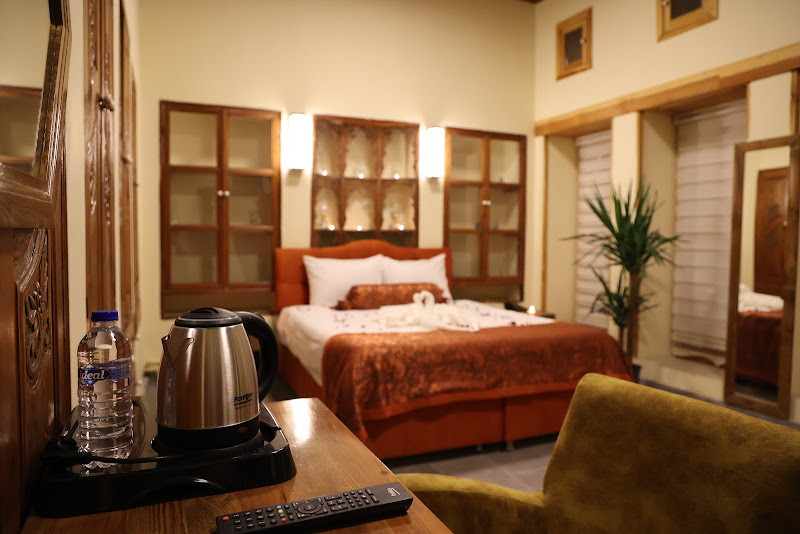
Saltuk Bey Mansion Boutique Hotel
Islambey Neighborhood Hilal Hall Street No 13 Center, 79000 Kilis
Kilis
Olea Hotel
Şehitler Mahallesi Şehitler Abidesi Caddesi, Cumhuriyet Meydanı No:1, 79000 Kilis Merkez/Kilis
Featured Tours

TRP88
Biblical Konya and Listra Heritage Journey
From Istanbul
Discover a 2 days Biblical Konya and Listra Heritage Journey from Istanbul by flight with private guide. Visit Iconium, Mevlana Museum, Alaa...

TRP128
Konya and Lystra Biblical Journey
From Ankara
Explore Konya and Lystra in a private 2-day biblical route from Ankara, including Iconium context, Mevlana Museum, Karatay Madrasah, Catalho...

TRD149
Izmir Jewish Heritage and Old City Discovery
From Ankara
Explore Izmir’s Jewish heritage on a full-day flight itinerary from Ankara with Havra Street, Beth Israel Synagogue, Dario Moreno Street, Hi...

TRD154
Aphrodisias and Pamukkale UNESCO Day Tour
From Denizli
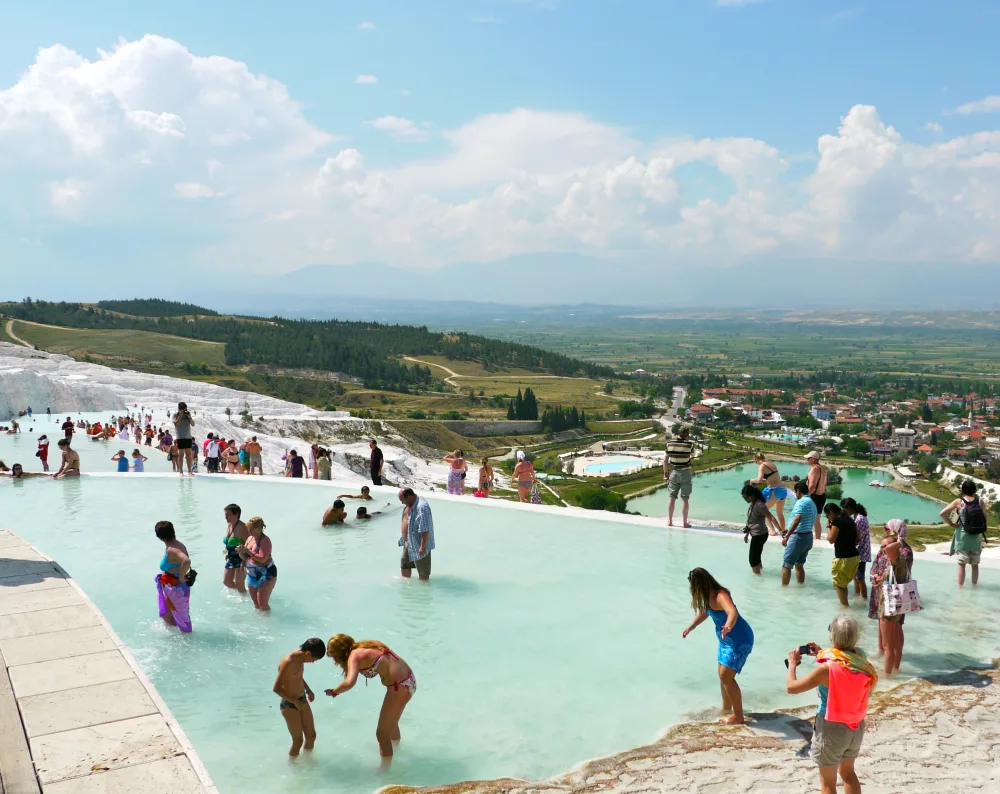
Explore two UNESCO highlights in one full-day route from Denizli with Aphrodisias Ancient City, Aphrodisias Museum, Hierapolis Ancient City,...

 Istanbul Tours
Discover Istanbul with Curated Tour Programs
Historic neighborhoods, cultural sites, and local experiences designed for flexible Istanbul holidays.
View Istanbul Tours
Istanbul Tours
Discover Istanbul with Curated Tour Programs
Historic neighborhoods, cultural sites, and local experiences designed for flexible Istanbul holidays.
View Istanbul Tours

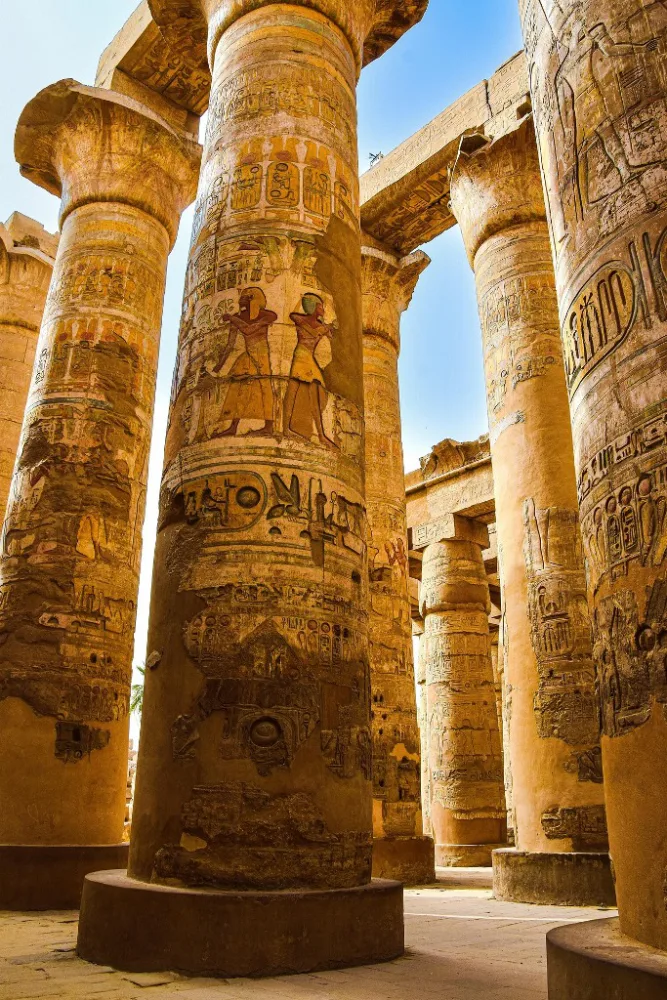 Egypt Tours
Classic Egypt Tours and Nile Travel Ideas
Pyramids, Cairo and Upper Egypt itineraries with guided planning for first-time and repeat travelers.
See Egypt Tours
Egypt Tours
Classic Egypt Tours and Nile Travel Ideas
Pyramids, Cairo and Upper Egypt itineraries with guided planning for first-time and repeat travelers.
See Egypt Tours
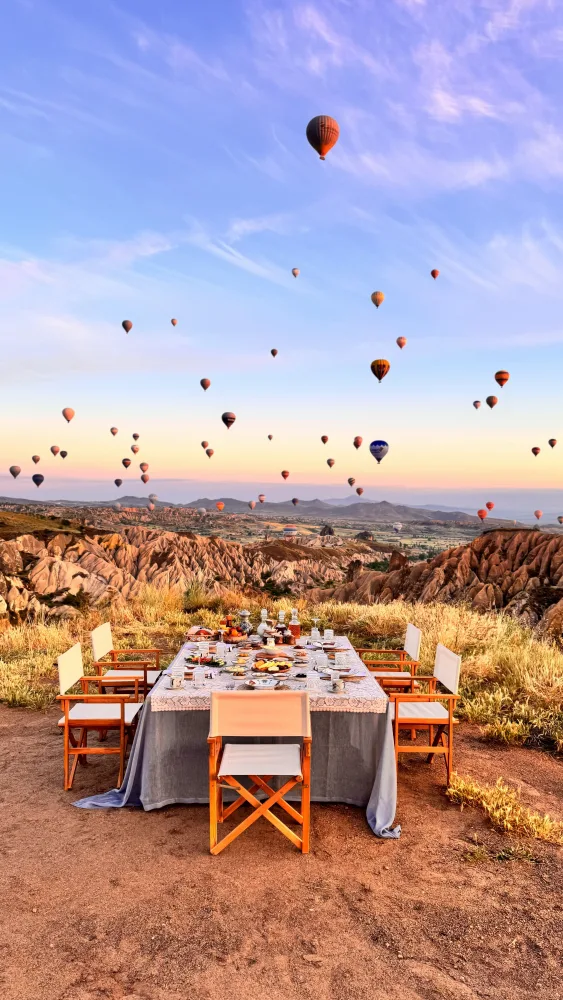 Cappadocia Tours
Explore Cappadocia with Guided Tours
Discover the unique landscapes and ancient cave cities of Cappadocia.
View Cappadocia Tours
Cappadocia Tours
Explore Cappadocia with Guided Tours
Discover the unique landscapes and ancient cave cities of Cappadocia.
View Cappadocia Tours
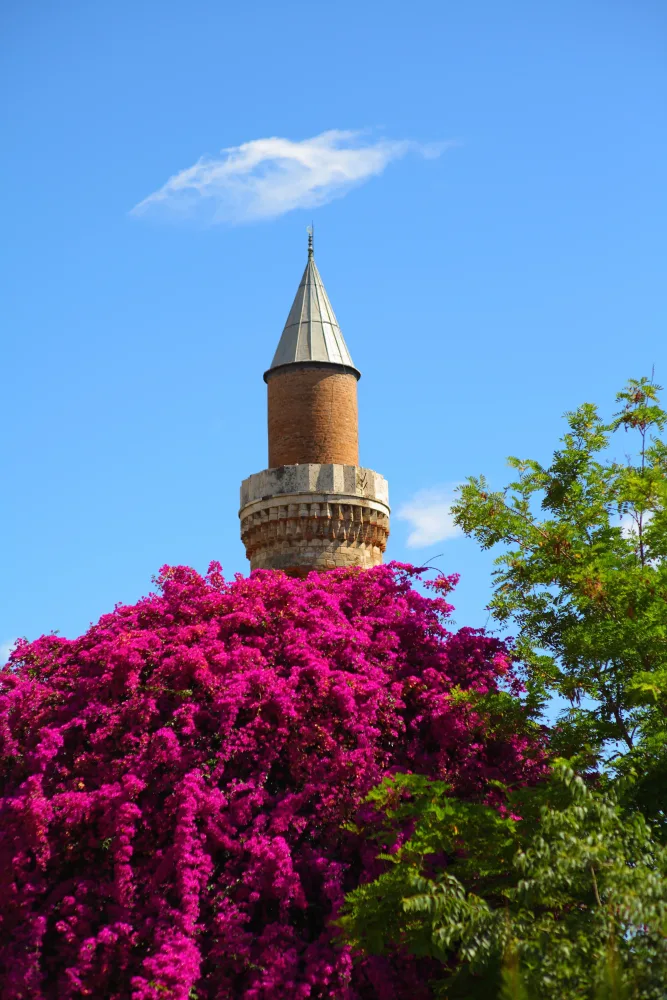 Antalya Tours
Discover Antalya with Guided Tours
Discover the beautiful coastline and historic sites of Antalya.
View Antalya Tours
Antalya Tours
Discover Antalya with Guided Tours
Discover the beautiful coastline and historic sites of Antalya.
View Antalya Tours
 Izmir Tours
Discover Izmir with Guided Tours
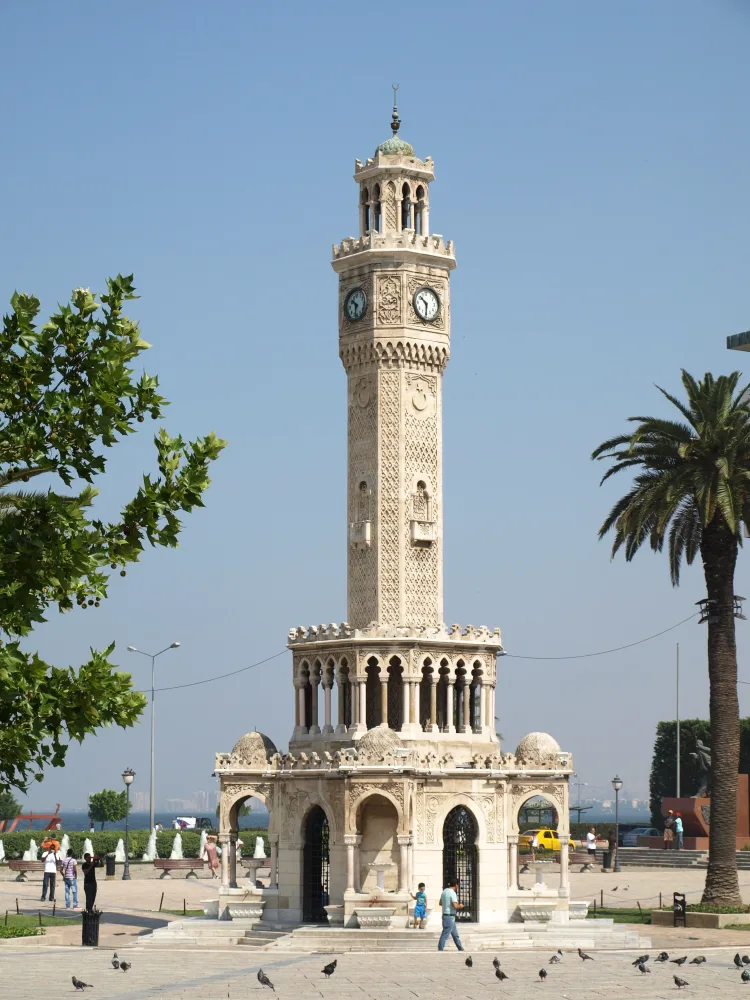
Explore the vibrant city of Izmir and its surrounding areas.
View Izmir Tours
Izmir Tours
Discover Izmir with Guided Tours
Explore the vibrant city of Izmir and its surrounding areas.
View Izmir Tours