Destination
Kutahya
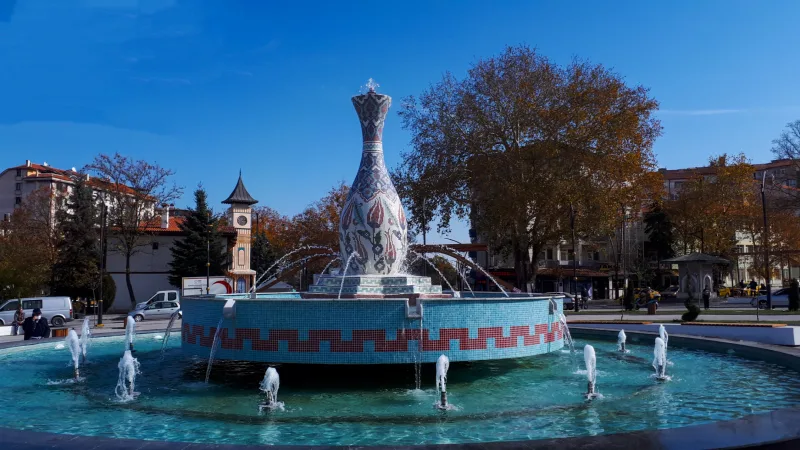
Kutahya is one of Turkey’s most distinctive inland destinations for travelers who want archaeology, thermal wellness, Ottoman urban texture, and traditional craft culture in one trip. The province is especially valuable because it does not depend on a single tourism theme, but combines ancient cities, spa-focused districts, museum-rich city life, and wider nature-and-valley routes in one region. This makes it highly suitable for a platform that lists accommodation and also organizes tours, because hotel demand and excursion demand naturally support one another here. Whether travelers begin by comparing Kutahya hotels in the center or choosing a practical Kutahya hotel for a wider regional itinerary, the destination offers several meaningful stay options. For guests who want accommodation and sightseeing together, Kutahya is also a very strong base for memorable Kutahya tours.
Read more Show less
One of Kutahya’s biggest strengths is that real travel demand is distributed across several powerful sub-destinations rather than limited to the city center alone. Some travelers search first for Aizanoi tour and archaeology-driven routes, some are drawn by Kutahya thermal hotel and Yoncali thermal hotel searches, and others respond strongly to Phrygian Valley tour, Kula-like fairy chimneys style routes in Frigya, or the city’s famous ceramic identity. This is especially useful for a hotel-and-tour platform, because one booking intention can quickly expand into a multi-day heritage, wellness, and culture itinerary. A traveler may first search for Kutahya hotels and then add Aizanoi ancient city tour, Kutahya tile museum tour, or Yoncali thermal tour. In commercial terms, Kutahya performs best when accommodation and regional touring are presented as one connected travel experience.
Kutahya city center remains a meaningful base and should always be visible in the destination narrative. Guests who choose central Kutahya hotels usually want practical access to Aizanoi, the Phrygian Valley, Yoncalı, and the city’s museums without changing rooms every night. This kind of stay is especially useful for travelers who want to combine cultural sightseeing with thermal and archaeological day trips. A well-located Kutahya hotel also makes it easier to enjoy local food, shopping, and evening walks after longer excursions. In practical tourism terms, the city works as the organizing hub of the whole province.
The city itself should not be treated only as a transit point, because Kutahya has one of Turkey’s strongest craft-based urban identities. UNESCO’s Creative Cities Network recognizes Kutahya for crafts and folk art, specifically the city’s centuries-old cini tradition, which makes the urban experience much stronger than that of a generic provincial capital. This is why phrases such as Kutahya city tour, Kutahya cultural tour, and Kutahya old city tour fit naturally into the page. Travelers staying in Kutahya hotels often appreciate that the city has a strong visual and artisanal character even before they leave for the major regional routes. In tourism terms, this gives Kutahya a much more distinctive stay identity.
Çini culture is one of the most important reasons the city stands apart, and it should always be central to the destination structure. UNESCO notes that Kutahya is a center of cini production, with hundreds of workshops and a long artistic tradition visible throughout the city’s fabric. This is why phrases such as Kutahya tile tour, Kutahya ceramics tour, Kutahya cini shopping tour, and Kutahya handicraft tour fit very naturally into the page. Many travelers come to the city not only for ancient sites, but also because they want to see, buy, and experience this famous decorative art tradition. In tourism terms, çini gives Kutahya one of its strongest cultural and commercial tourism identities.
The Çini Museum is one of the most important attractions in the city and should always be included in a serious Kutahya page. Official museum sources note that the museum is housed in the imaret and tomb section of the II. Yakup Bey complex and displays Kütahya and İznik tiles and ceramic works from the 14th century to the present. This is why phrases such as Kutahya Tile Museum tour, Kutahya cini museum tour, and Kutahya ceramics museum tour fit naturally into the destination structure. Guests staying in Kutahya hotels often prioritize this stop because it translates the city’s famous craft identity into a museum experience with real historical depth. For a hotel-and-tour platform, the Çini Museum is one of the strongest bridges between accommodation intent and local cultural exploration.
Kutahya Archaeology Museum is another major attraction and should never be omitted from a complete destination page. Official museum sources identify it as an archaeology museum housed in the historic Vacidiye Medrese, with collections spanning from prehistory through Hittite, Phrygian, Roman, Byzantine, Seljuk, and Ottoman periods. This is why phrases such as Kutahya archaeology museum tour, Kutahya archaeology tour, and Kutahya museum tour fit very naturally into the page. Travelers staying in Kutahya hotels often benefit from visiting the museum early because it gives context to Aizanoi, Frigya, and the broader historical landscape of the province. In tourism terms, it makes the city much stronger as an interpretive base.
Germiyan Street and the wider historic-house area should also be visible in the destination narrative because they shape how travelers experience the city beyond museums alone. Official destination material for a 48-hour Kutahya route specifically points visitors toward Germiyan Street and traditional houses, which means the old urban texture is a real part of the tourism experience. This is why phrases such as Kutahya old houses tour, Germiyan Street tour, and Kutahya historical center tour fit naturally into the page. Guests staying in Kutahya hotels often appreciate that the city offers a slower and more atmospheric walking experience after museum visits. In tourism terms, this helps make Kutahya feel more complete and more livable as a destination.
Kutahya Castle is another important stop and should always appear in long-form content because it gives the city a strong panoramic and symbolic point. Official tourism route material points visitors to the castle before heading to larger regional attractions such as the Phrygian Valley, which shows how central it is to the city’s own itinerary. This is why phrases such as Kutahya Castle tour, Kutahya viewpoint tour, and Kutahya city center tour fit very naturally into the page. Travelers staying in Kutahya hotels often appreciate that they can combine the castle, museums, and traditional streets in one compact route. In destination terms, the castle strengthens Kutahya’s visual identity and city-break value.
Aizanoi is the single most important reason many travelers choose Kutahya province, and it should always be treated as a headline destination. UNESCO’s Tentative List describes Aizanoi as one of the most significant Roman-period cities, notable for the Temple of Zeus, the unique adjoining stadium-theatre complex, and the macellum that is among the earliest known stock-exchange-style markets. This is why phrases such as Aizanoi tour, Aizanoi ancient city tour, Aizanoi tour from Kutahya, and Cavdarhisar tour are among the most important in the province’s SEO structure. Many travelers know the region first through Aizanoi rather than through the city center. For a hotel-and-tour platform, Aizanoi is the strongest bridge between accommodation demand and world-class heritage tourism.
The appeal of Aizanoi is especially strong because the site combines monumental scale with highly unusual architectural features. UNESCO notes that the Temple of Zeus is one of the best-preserved Zeus temples in the world, while the adjoining stadium-and-theatre complex is described as unique in the ancient world. This makes a well-paced Aizanoi ancient city tour especially attractive for culture-focused travelers, photographers, and visitors who want a site with major international significance. Guests staying in Kutahya hotels often appreciate that Aizanoi can justify a full day rather than a quick stop. In tourism terms, Aizanoi gives Kutahya genuine global heritage value.
Cavdarhisar is the most important accommodation-linked district around Aizanoi and should always be visible in the destination structure. Official UNESCO material places Aizanoi directly within the boundaries of the district and notes its location southwest of Kutahya city, which makes Çavdarhisar the practical access point to the ruins. This is why phrases such as Cavdarhisar hotels, Cavdarhisar hotel, and Aizanoi tour from Cavdarhisar fit naturally into the page. Some travelers prefer to stay closer to the archaeological site itself rather than remain based only in the city center. For a hotel-and-tour platform, Çavdarhisar helps reflect real stay behavior around the province’s strongest ancient-city attraction.
The Phrygian Valley is another essential tourism axis and should always be given major emphasis in long-form content. Official tourism material for Kutahya specifically routes visitors from the city center toward the Phrygian Valley, which confirms how central the area is to the province’s identity beyond Aizanoi alone. This is why phrases such as Phrygian Valley tour, Frig Vadisi tour, Kutahya ancient valley tour, and Kutahya nature and archaeology tour fit very naturally into the page. Many guests staying in Kutahya hotels choose this route when they want a fuller inland-Anatolian landscape experience rather than only one archaeological site. In tourism terms, the Frigya side makes Kutahya much broader and more layered.
The appeal of the Phrygian Valley is especially strong because it combines open landscape, rock-cut heritage, and a slower exploratory rhythm than many monumental city-based routes. Travelers are drawn by the feeling of moving through an ancient cultural geography rather than visiting one fenced site and leaving. This makes a Phrygian Valley tour particularly attractive for photographers, couples, and repeat visitors looking for something less obvious than the standard city route. Guests staying in Kutahya hotels often appreciate this contrast after the more urban museum and çini experiences in the center. In destination terms, the Frigya landscape gives Kutahya one of its strongest route-based identities.
Yoncali is one of the most important thermal tourism names in the province and should always be treated as a headline destination. Official provincial sources note that Yoncalı Kaplıcaları lie only 16 kilometers from the city center and identify the area as a major thermal tourism zone with several accommodation options and day-use facilities. This is why phrases such as Yoncali thermal hotel, Yoncali hotels, Kutahya thermal hotel, and Yoncali thermal tour are among the most important wellness-related keywords for the province. Many travelers come to Kutahya specifically for thermal water rather than for archaeology or city culture. For a hotel-and-tour platform, Yoncalı is one of the strongest ways to broaden the province beyond pure heritage travel.
The appeal of Yoncali is especially strong because it allows visitors to combine wellness and city-based touring with very little friction. Official sources describe the thermal waters as being associated with relief for rheumatic, neurological, and musculoskeletal conditions, while also noting the presence of hotels, baths, indoor and outdoor pools, and day-use facilities. This makes phrases such as Yoncali spa hotel, Yoncali thermal resort, and book Yoncali thermal hotel especially natural in the page. Guests staying in Yoncali hotels often want exactly this balance of restorative travel and easy access to Kutahya city and Aizanoi. In tourism terms, Yoncalı gives Kutahya a very strong wellness dimension.
Emet is another important thermal destination and should always appear in a serious Kutahya page because it strengthens the province’s spa-and-health identity. Official provincial tourism information identifies Emet Yenice Kaplıcaları as a thermal tourism center and highlights its local accommodation and wellness use. This is why phrases such as Emet thermal hotel, Emet hotels, Emet thermal tour, and Kutahya spa hotel fit naturally into the destination structure. Some travelers interested in therapeutic or longer thermal stays respond more strongly to district-based options like Emet than to the city-center spa route alone. In tourism terms, Emet broadens Kutahya into a stronger thermal region rather than only one thermal center.
Hisarcik and the wider secondary thermal belt are also important because they show how broad Kutahya’s wellness geography really is. Official provincial sources describe Hisarcık Esire Termal Turizm Merkezi as another thermal area with accommodation and day-use facilities, which makes the province’s spa identity more distributed and resilient. This is why phrases such as Hisarcik thermal hotel, Kutahya thermal tour, and thermal holiday in Kutahya fit naturally when the destination is described in full. Travelers staying in Kutahya hotels often appreciate that the province can support several different thermal-day combinations rather than only one spa district. In tourism terms, this variety strengthens Kutahya’s year-round travel appeal.
Because Kutahya supports several different travel motives, hotel choice should always be linked to the traveler’s actual goal. Some guests will want a central Kutahya hotel for museums, çini culture, and flexible access to Aizanoi and Frigya, while others may compare Yoncali thermal hotel, Emet thermal hotel, or Cavdarhisar hotels depending on whether wellness or archaeology is the main priority. This variety is one of the strongest reasons the province works so well on a hotel-and-tour platform. A strong destination text should help visitors understand how each base creates a different kind of Kutahya trip. In practical tourism terms, that clarity helps convert broad interest into stronger booking decisions.
Private and group formats both work very well in Kutahya because the province serves several distinct travel styles. A private Kutahya tour is ideal for couples, families, photographers, and travelers who want flexible pacing between the city center, Aizanoi, the Phrygian Valley, and thermal zones such as Yoncalı or Emet. At the same time, group Kutahya tours, a small group Aizanoi tour, or a focused Kutahya thermal tour remain highly attractive for visitors seeking easy logistics and strong value. This range is especially useful for a hotel-and-tour platform because it allows one destination page to serve archaeology travelers, craft-focused visitors, spa travelers, and cultural city-break guests at the same time. In tourism terms, flexibility is one of the strongest reasons Kutahya converts well from inspiration into bookings.
For all these reasons, Kutahya should be presented as one of western Turkey’s most complete inland destinations rather than only as a craft city or a thermal stop. It offers the urban-cultural strength of Kutahya hotels, Kutahya city tour, Kutahya tile museum tour, and Kutahya ceramics tour, the world-class heritage power of Aizanoi tour, Aizanoi ancient city tour, and Cavdarhisar hotels, the route-based landscape value of Phrygian Valley tour, and the wellness appeal of Yoncali thermal hotel, Kutahya thermal hotel, and Emet thermal hotel. Travelers may begin with a simple hotel search, but their plans usually deepen once they discover how richly the province combines çini culture, ancient cities, thermal travel, and inland Anatolian landscapes. That is exactly why Kutahya is so valuable for a platform that lists hotels and also organizes tours. It is a destination where strong subregional variety, memorable scenery, and real booking intent come together in one highly marketable travel experience.
Hotels in Kutahya
Curated listings
90 hotels
No hotels match your search.
Featured Tours

TRD40
Pamukkale and Hierapolis Sightseeing Tour
From Antalya
Take a private 12-hour day trip from Antalya to Pamukkale and Hierapolis with white terraces, necropolis, grand theatre, and Cleopatra Pool...

TRP75
St Paul and Ancient Antioch Heritage Tour
From Istanbul
Discover a 2 days St Paul and Ancient Antioch Heritage Tour from Istanbul by flight with private guide. Visit the House and Well of St. Paul...

TRP19
Turkey Budget Bus Highlights Tour
From Istanbul
Join a 6 Day Turkey Budget Bus Highlights Tour from Istanbul by overnight bus. Visit Ephesus, House of Virgin Mary, Temple of Artemis, Pamuk...

TRD165
Biblical Ephesus Heritage Tour
From Istanbul
Travel from Istanbul by overnight bus for a full-day private Biblical Ephesus tour including Ephesus Ancient Site, Basilica of St John, Hous...
Kutahya
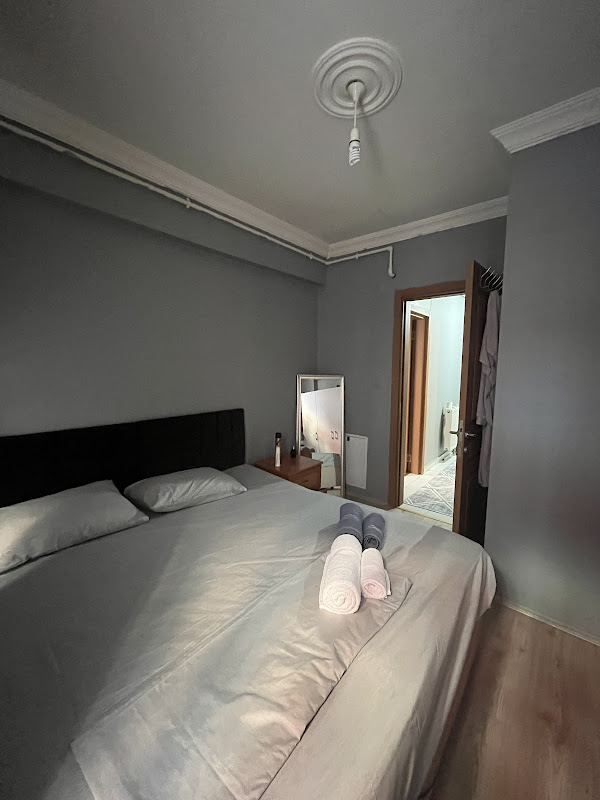
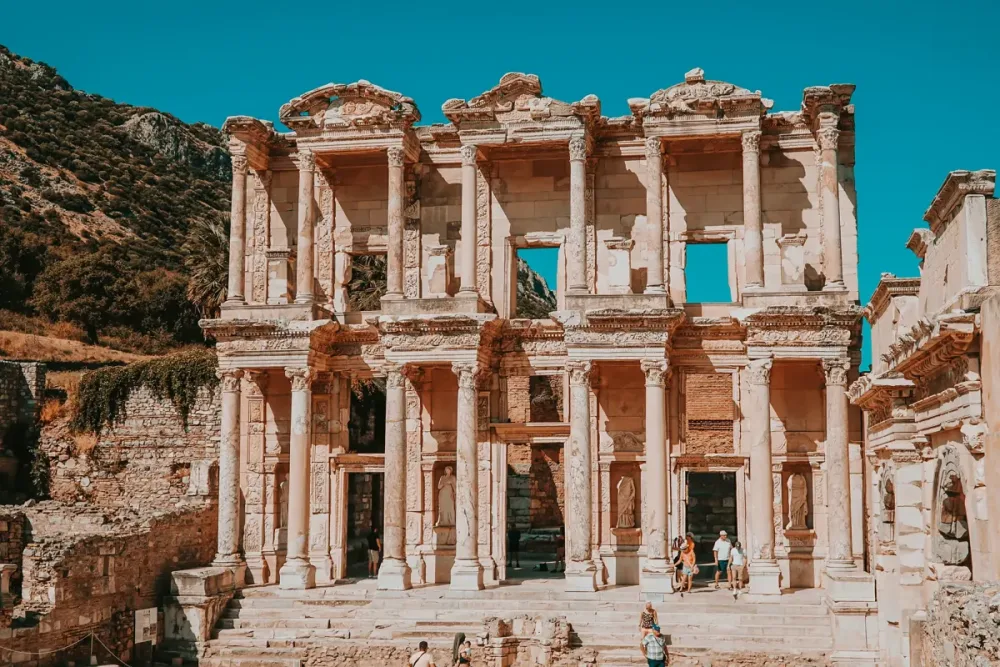
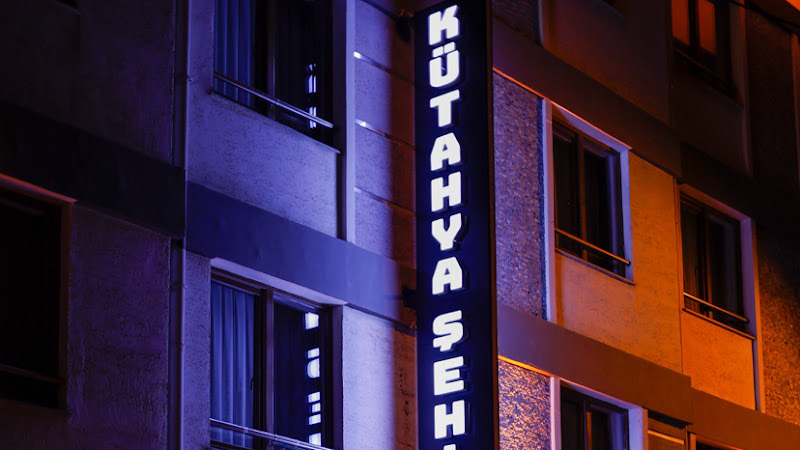
Kütahya Şirketlere Ve Aileye Özel Apart Mert Apart
Saray, 1. Gümüşeşik Sk. no:19, 43100 Kütahya Merkez/Kütahya
Kutahya
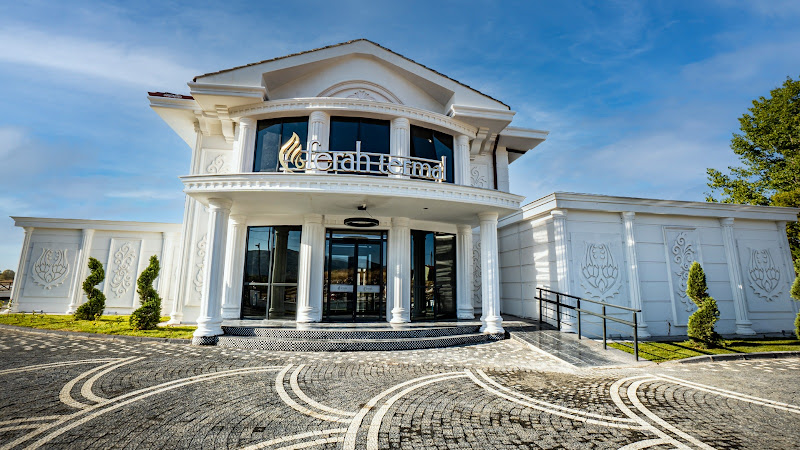
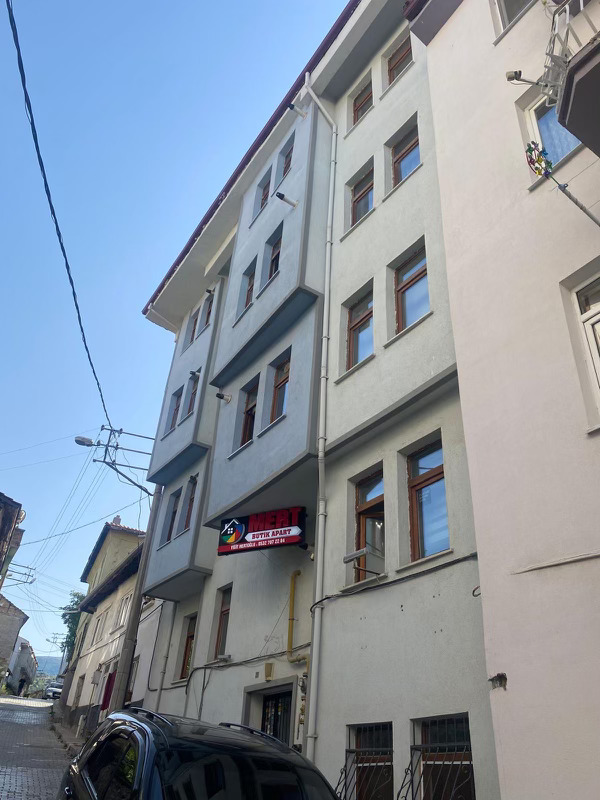
Sapphire Kız Apart
Servi mahallesi yasemin sokak no:1 kütahya merkez, 43100 Kütahya Merkez/Kütahya
Kutahya
Kütahya Mert Günlük Pansiyon
Saray SarayMahallesi, Saray, 1. Gümüşeşik Sk. No:20, 43100 Kütahya Merkez/Kütahya
Kutahya
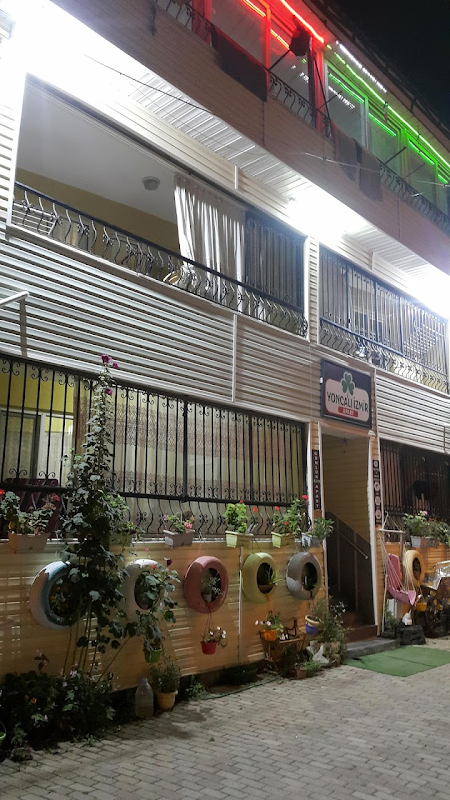
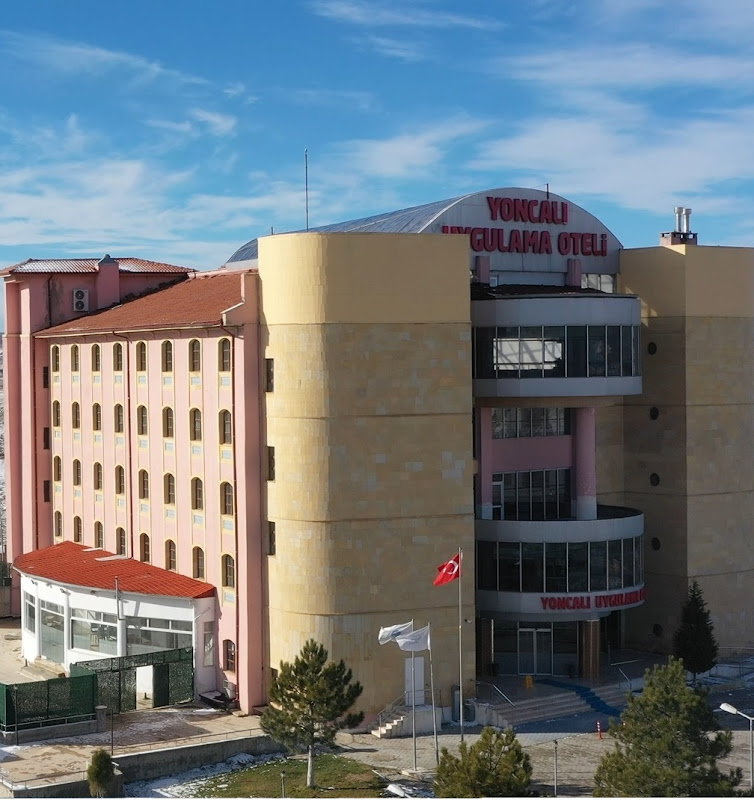
Yoncalı İzmir Apart Aile Oteli Kütahya Yoncalı Kaplıcaları
Yoncalı Mahallesi 2, Burak Sk. No:1, 43100 Kütahya Merkez/Kütahya
 Istanbul Tours
Discover Istanbul with Curated Tour Programs
Historic neighborhoods, cultural sites, and local experiences designed for flexible Istanbul holidays.
View Istanbul Tours
Istanbul Tours
Discover Istanbul with Curated Tour Programs
Historic neighborhoods, cultural sites, and local experiences designed for flexible Istanbul holidays.
View Istanbul Tours
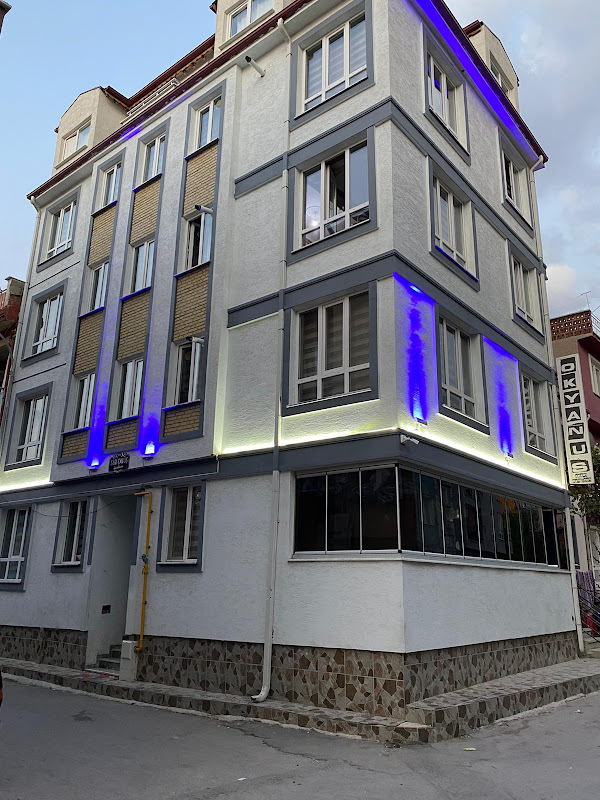
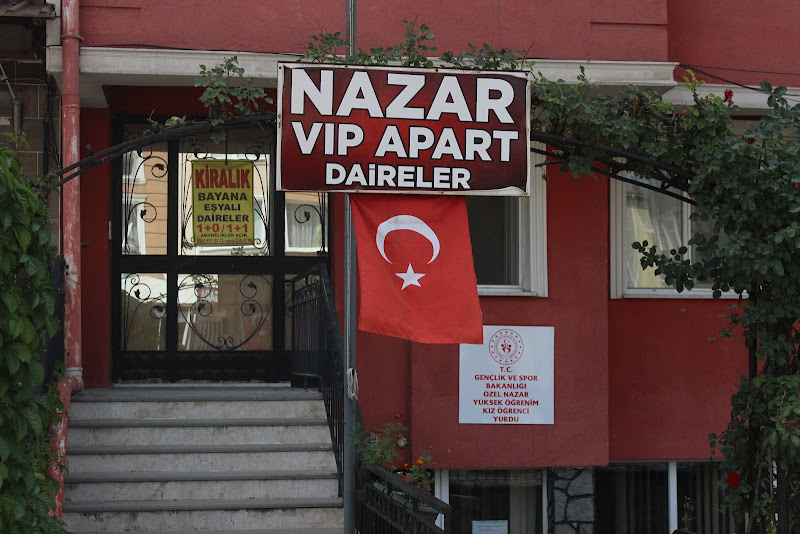
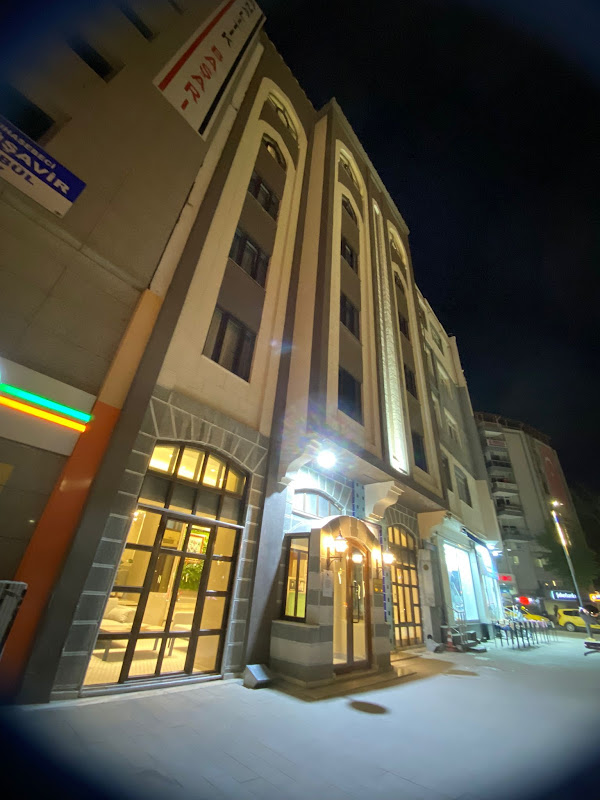
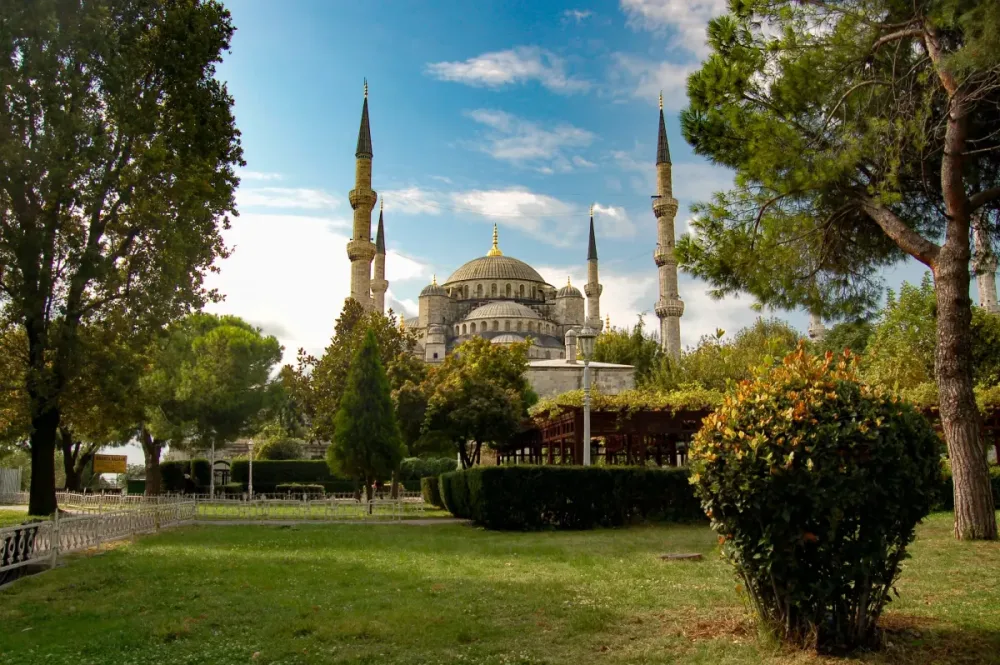
Kutahya
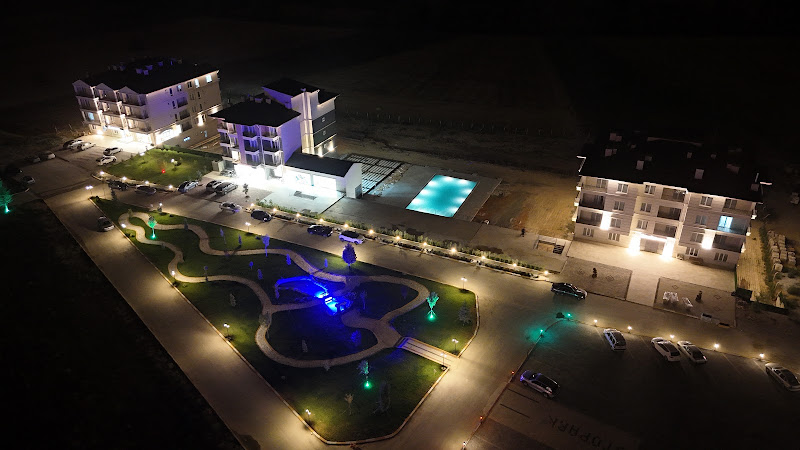
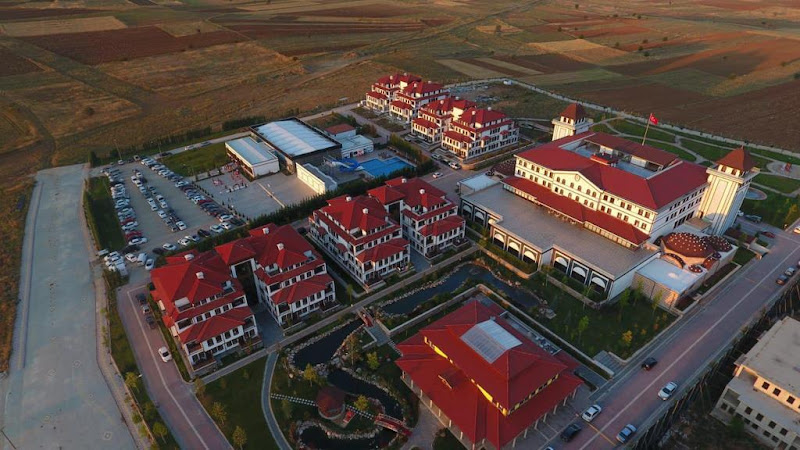
Gülümser Hatun Termal Otel & Spa
Polished lodging with modern rooms & airy suites, plus a restaurant & a spa with thermal pools.
Kutahya
Otantik Kız Apart Kütahya Kız Apart
Servi, Mithatpaşa Cd no:15, 43100 Kütahya Merkez/Kütahya
 Egypt Tours
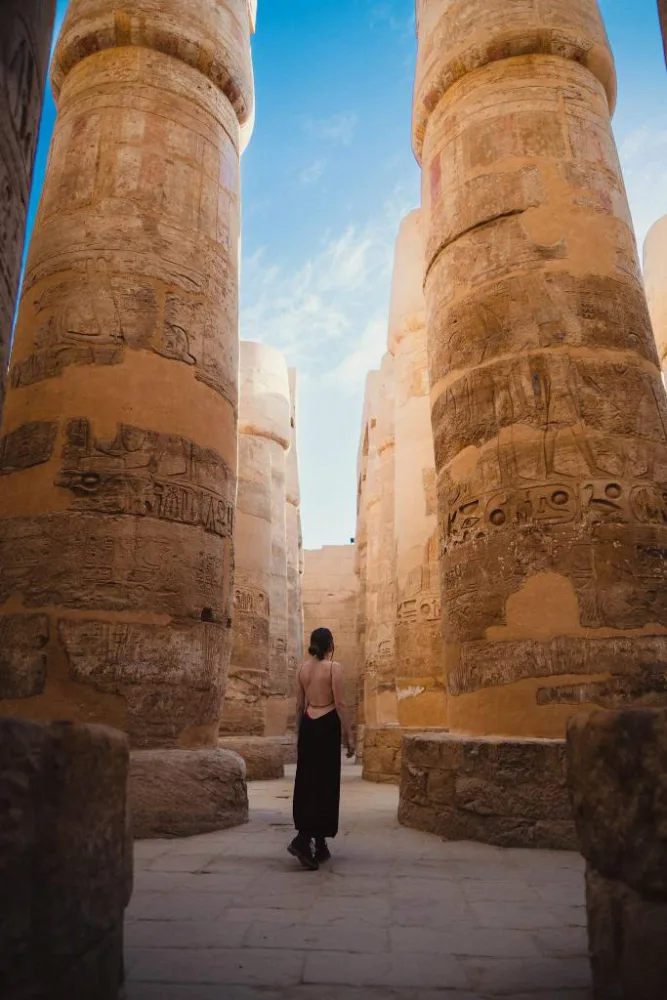
Classic Egypt Tours and Nile Travel Ideas
Pyramids, Cairo and Upper Egypt itineraries with guided planning for first-time and repeat travelers.
See Egypt Tours
Egypt Tours
Classic Egypt Tours and Nile Travel Ideas
Pyramids, Cairo and Upper Egypt itineraries with guided planning for first-time and repeat travelers.
See Egypt Tours
Kutahya
Es Termal Otel & Spa
Yoncalı Mah.2, Yoncalı, Konuralp Sokak No: 35, 43100 Kütahya Merkez/Kütahya
Kutahya
Hilton Garden Inn Kutahya
Sophisticated hotel with a restaurant, a 24/7 exercise room & a colorful lobby lounge.
Kutahya
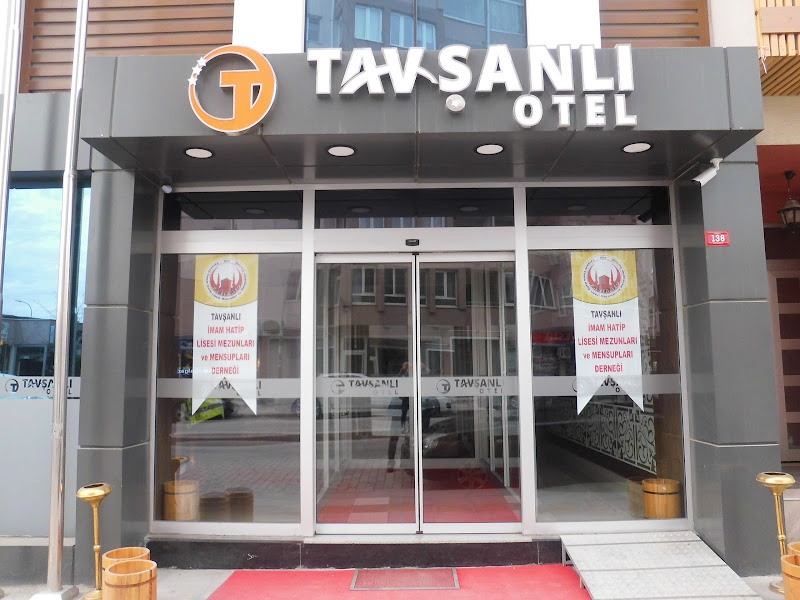
Tavsanli hotel
Relaxed rooms with a/c in an unassuming hotel featuring a restaurant, a bar & a gym.
Kutahya
Kütahya Menderes Otel
Lala Hüseyin Paşa, Adnan Menderes Blv. No: 71, 43100 Kütahya Merkez/Kütahya
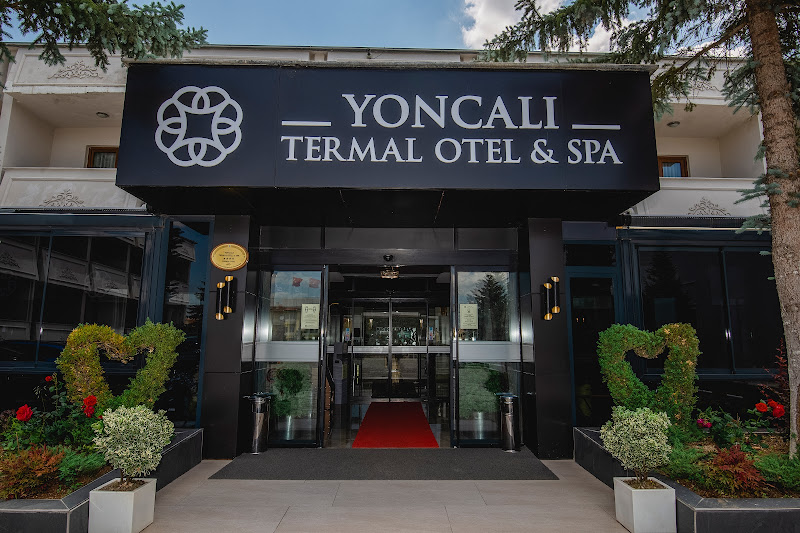
Kutahya
Yoncalı Thermal and Spa Hotel
Relaxed spa hotel offering an outdoor pool & 2 restaurants, plus baths with geothermal water.
Kutahya
Kütahya Sosyal Bilimler Lisesi Erkek Pansiyonu
Zafertepe, Selçuklu Cd., 43270 Gedikoğluçiftliği/Kütahya Merkez/Kütahya
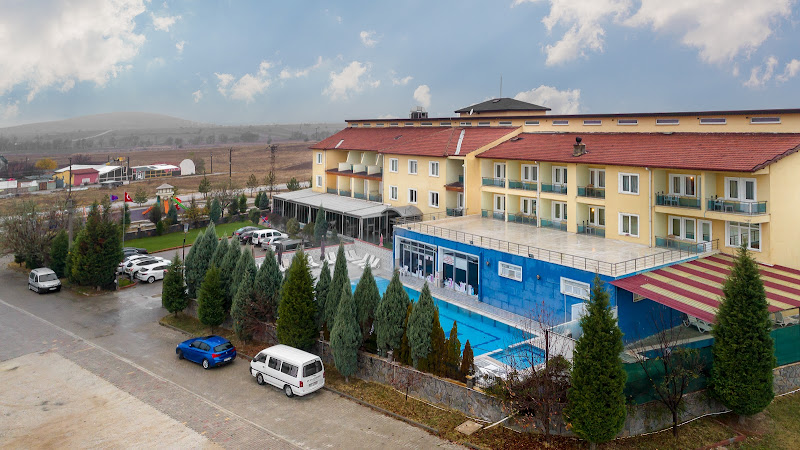
Kutahya
River Thermal Hotel
Simply furnished quarters in a relaxed hotel offering a buffet restaurant, a spa & an outdoor pool.
Kutahya
Devlet Su Isleri Misafirhanesi
Ali Paşa Mah., Fevzi Çakmak Cd. No:18, 43020 Merkez/Kütahya Merkez/Kütahya
Kutahya
Huzur Termal Apart Otel
Huzur Termal Apart Otel Yoncalı mahallesi 1, Huzur Sk. No:7, 43250 Kütahya Merkez/Kütahya
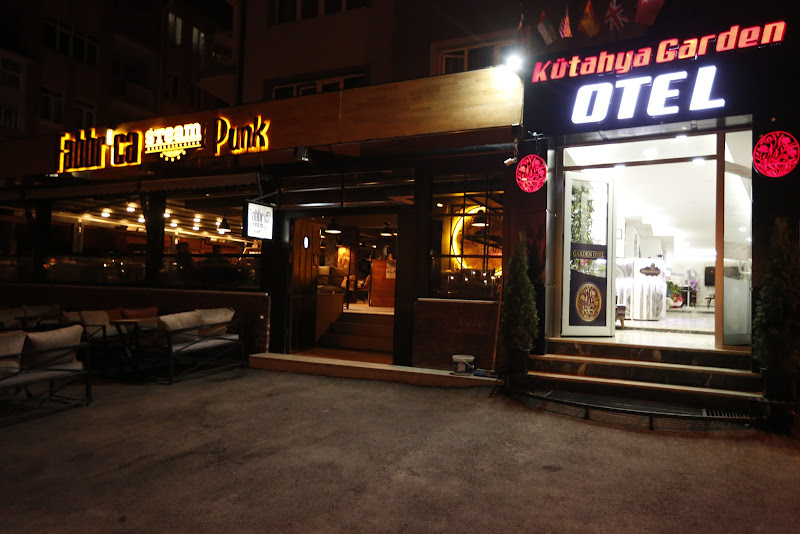
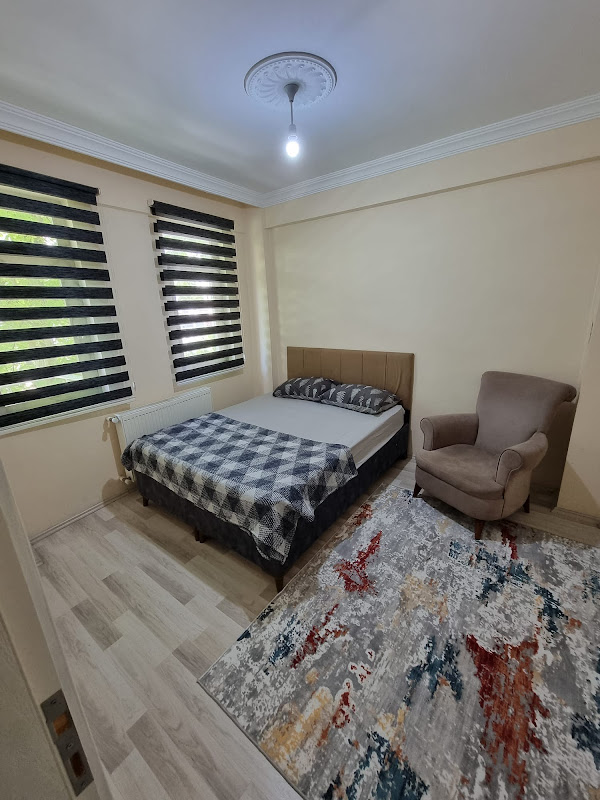
Kutahya
Kütahya Günlük Kiralık Daire | Royal Apart
Alipaşa, Devlet Hatun Cd No:8, 43100 Kütahya Merkez/Kütahya
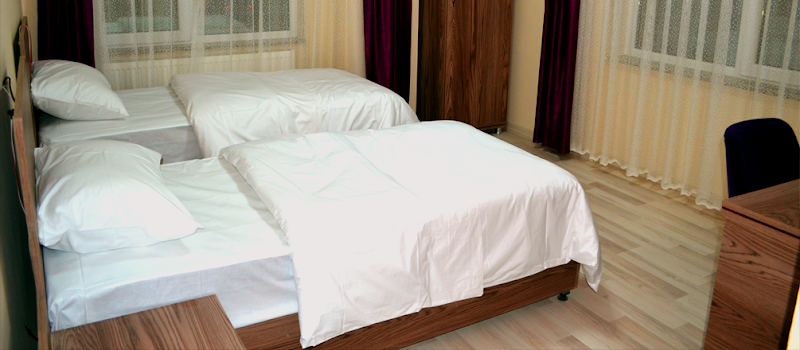
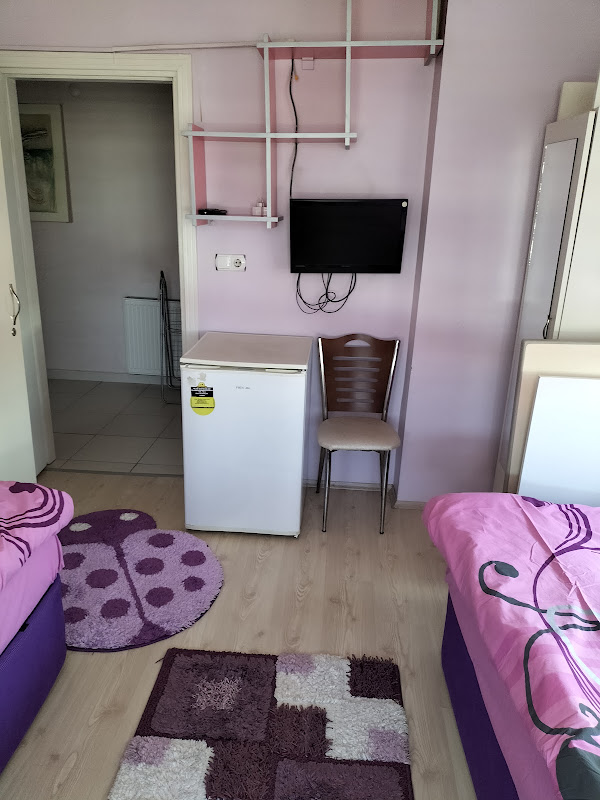
Kutahya
kütahya melodi kız apartları
emniyet taksi civari, Fuatpaşa Mahallesi haci bayram sokak no:1 Melodi Kiz Apart, Adnan Menderes Blv., 43100 Kütahya
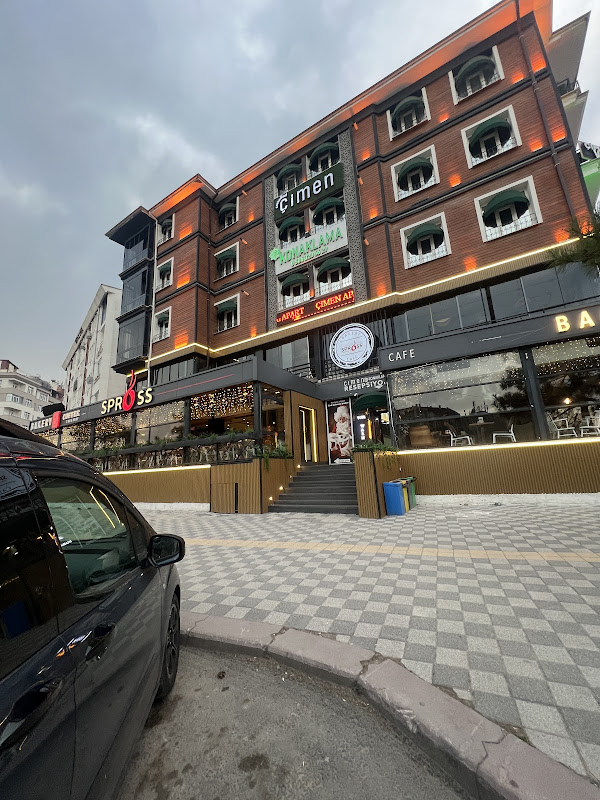
 Cappadocia Tours
Explore Cappadocia with Guided Tours
Discover the unique landscapes and ancient cave cities of Cappadocia.
View Cappadocia Tours
Cappadocia Tours
Explore Cappadocia with Guided Tours
Discover the unique landscapes and ancient cave cities of Cappadocia.
View Cappadocia Tours
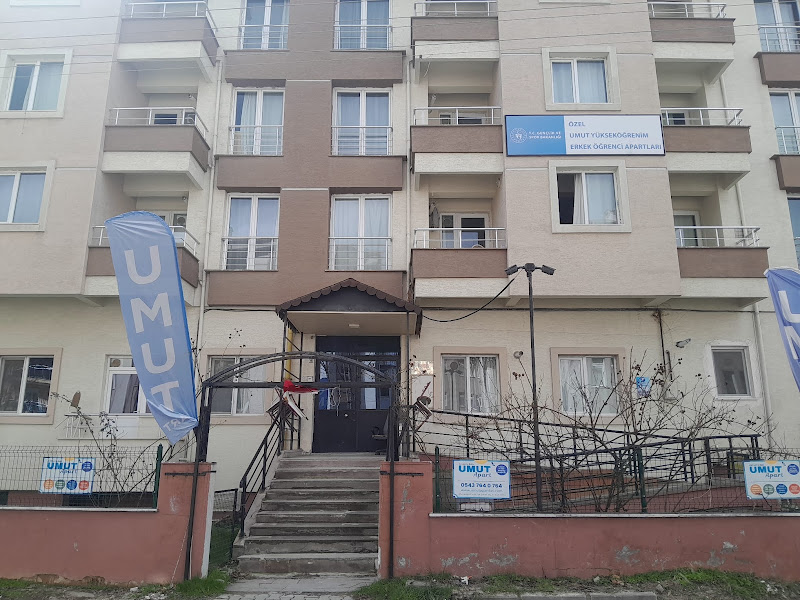
Kutahya
Kütahya Umut Erkek Öğrenci Apart Yurdu
Dumlupınar, Işıl Sk. No: 4, 43020 Kütahya Merkez/Kütahya
Kutahya
Park Hotel
Ali Paşa Mah., Fatih Sultan Mehmet Bulvarı, Afyon Cad. No:20, 43100 Merkez/Kütahya Merkez/Kütahya
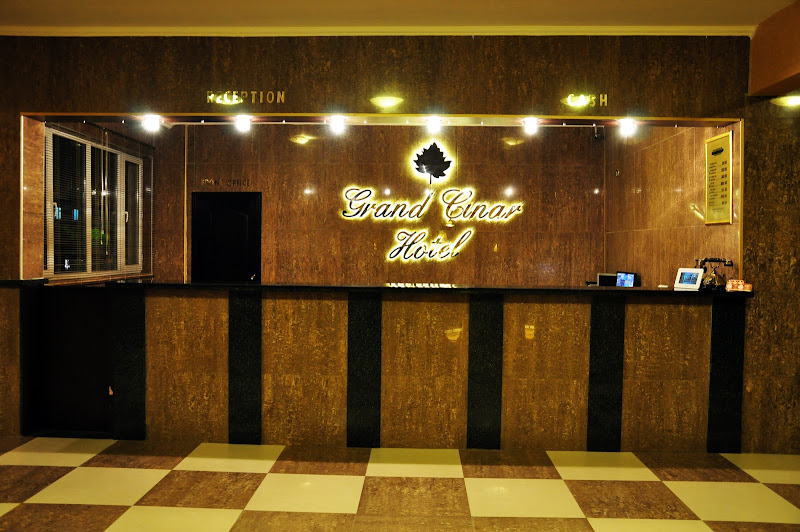
Kutahya
Grand Çınar Hotel
Casual rooms in an unassuming hotel offering a low-key restaurant, a disco & Turkish bath.
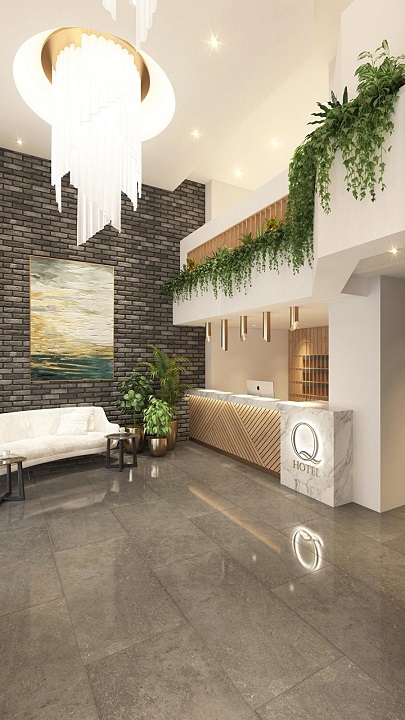
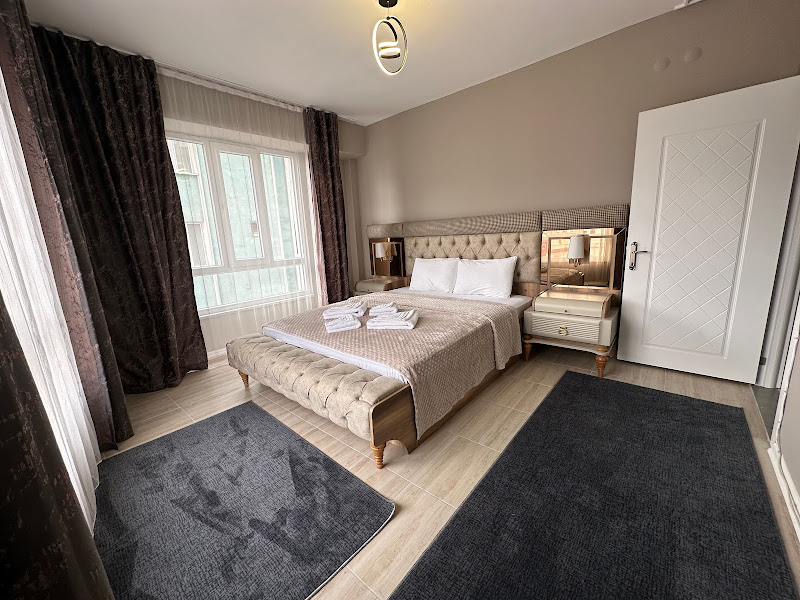
Kutahya
Qtahya Hotel
Relaxed rooms in an unpretentious hotel offering a simple restaurant & a cozy bar.
 Antalya Tours
Discover Antalya with Guided Tours
Discover the beautiful coastline and historic sites of Antalya.
View Antalya Tours
Antalya Tours
Discover Antalya with Guided Tours
Discover the beautiful coastline and historic sites of Antalya.
View Antalya Tours
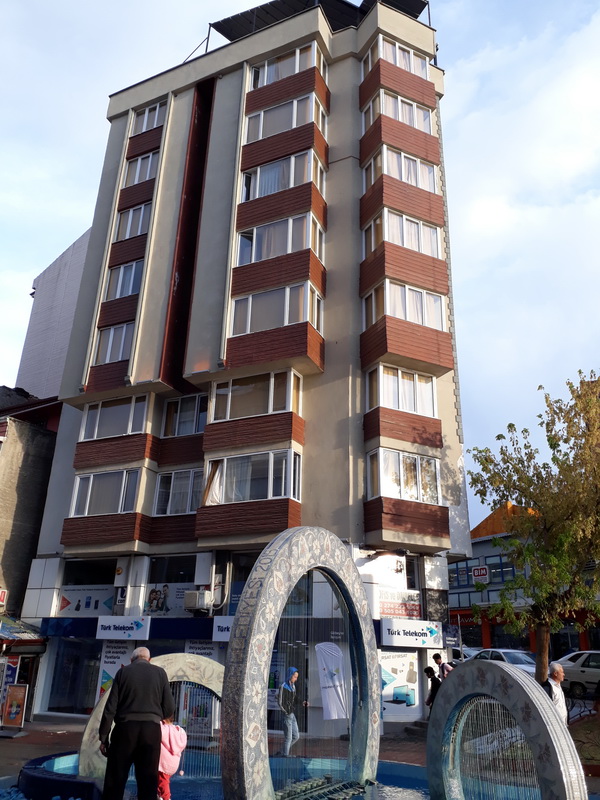
Kutahya
Limon Butik Apart Günlük Kiralık Daire
G. Kemal, Org. Asım Gündüz Cd. Hisar Apt No: 38 A, 43050 Kütahya Merkez/Kütahya
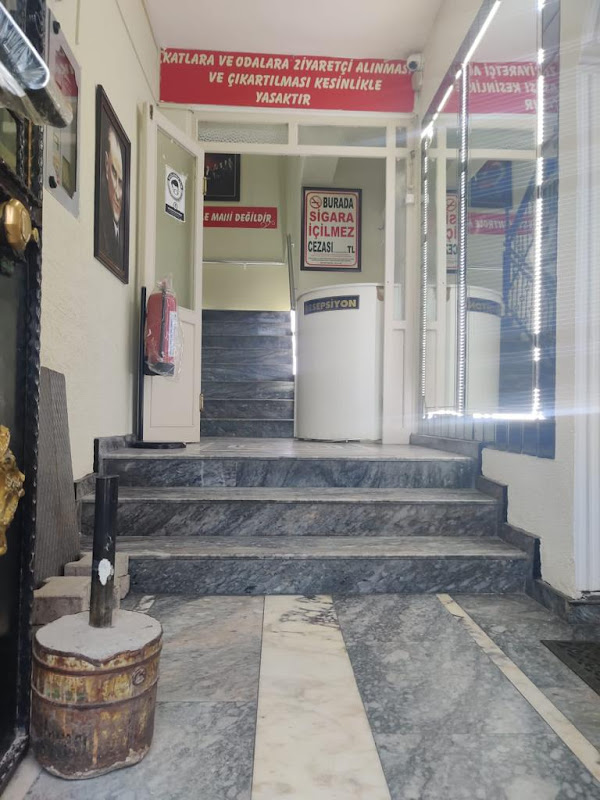
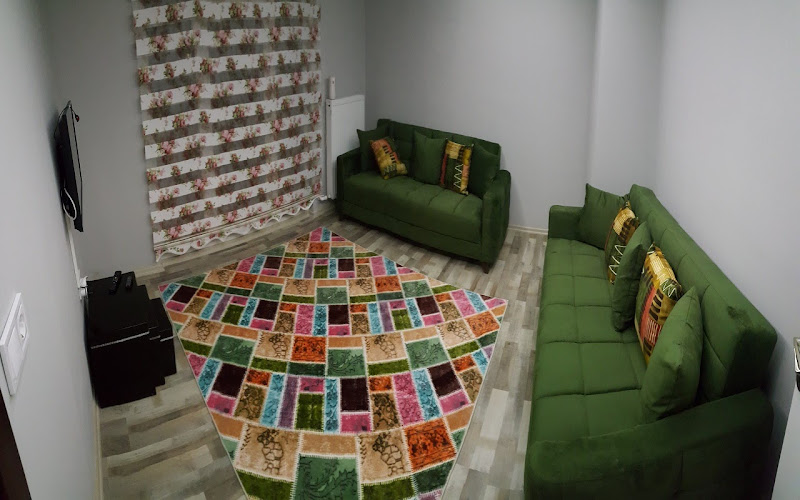
Kutahya
Kütahya Günlük Kiralık Ev - Yağız Apart Konaklama Tesisleri
Yıldırım Beyazıt, Yemen Sk. No:15, 43100 Kütahya Merkez/Kütahya
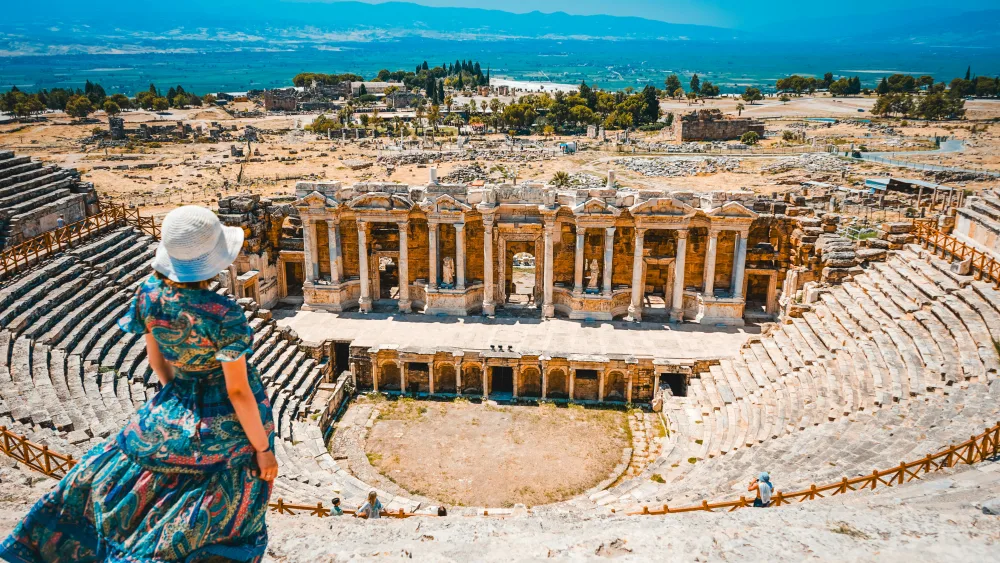
Kutahya
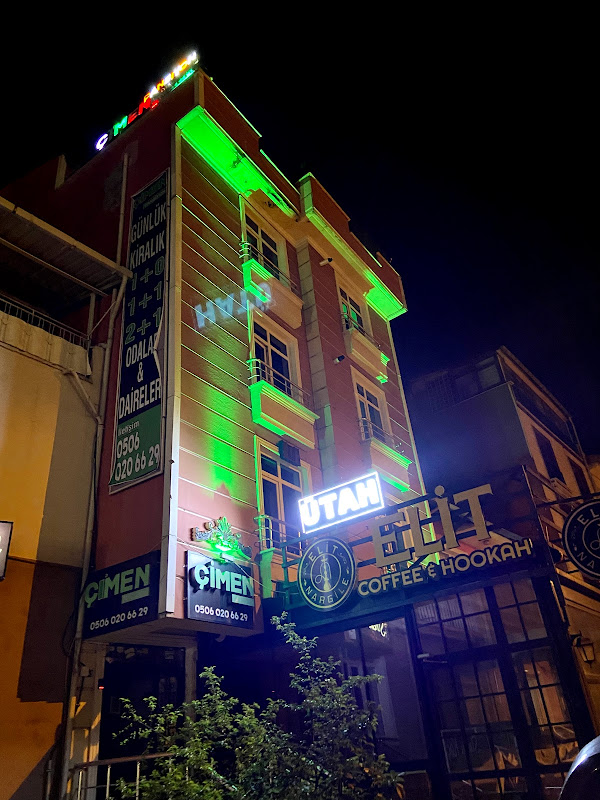
Çimen Pansiyon (Kütahya Günlük Kiralık Daire)
Alipaşa, Bindallı Sk. No:5 43100, 43020 Kütahya Merkez/Kütahya
 Izmir Tours
Discover Izmir with Guided Tours
Explore the vibrant city of Izmir and its surrounding areas.
View Izmir Tours
Izmir Tours
Discover Izmir with Guided Tours
Explore the vibrant city of Izmir and its surrounding areas.
View Izmir Tours