
Destination
Mus
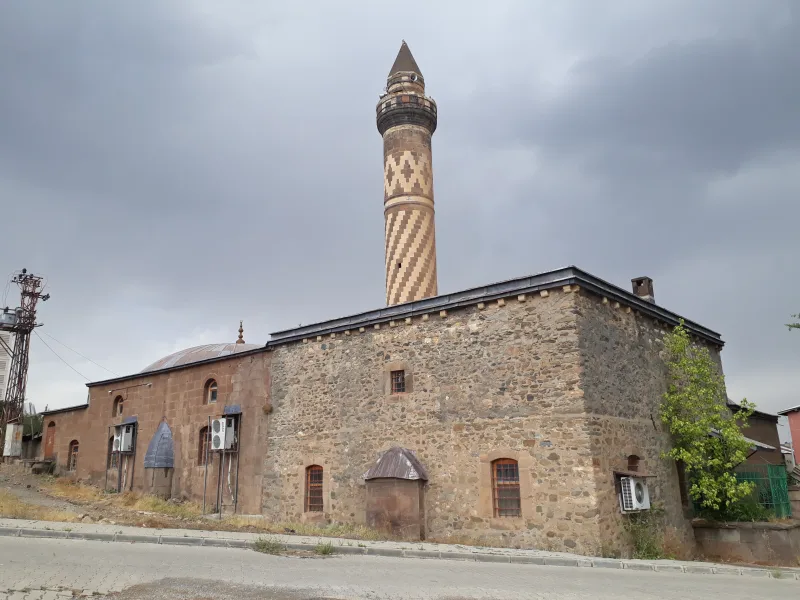
Mus is one of Turkey’s most distinctive eastern destinations for travelers who want battle heritage, Urartian ruins, crater lakes, river landmarks, seasonal flower landscapes, and strong regional touring in one trip. The province is especially valuable because real tourism demand is not shaped mainly by the city center alone, but by a wider route system led by Malazgirt, Varto, Bulanik, and the famous natural landscapes around them. This makes it highly suitable for a platform that lists accommodation and also organizes tours, because hotel demand and excursion demand naturally support one another here. Whether travelers begin by comparing Mus hotels in the center or choosing a practical Mus hotel for a wider eastern Anatolia itinerary, the destination offers several meaningful stay options. For guests who want accommodation and sightseeing together, Mus is also a very strong base for memorable Mus tours.
Read more Show less
One of Mus’s biggest strengths is that real travel intent is distributed across several strong tourism identities rather than concentrated only in the provincial center. Some visitors come first for Malazgirt tour and the symbolic battlefield history, some are drawn by Varto tour and Kayalidere tour, and others respond more strongly to Hamurpet Lakes tour, Murat Bridge tour, Bulanik tour, or the seasonal appeal of the Mus Plain. This is especially useful for a hotel-and-tour platform, because one booking intention can quickly expand into a multi-day itinerary covering archaeology, lakes, history, and photography. A traveler may begin with a simple search for Mus hotels and then add a Malazgirt historical tour, a Hamurpet nature tour, or a Varto ancient site tour in the same trip. In commercial terms, Mus performs best when accommodation and regional touring are presented as one connected travel experience.
Mus city center still matters and should not be overlooked, even though the strongest tourism names often lie in the districts. Guests who choose central Mus hotels usually want practical road access toward Malazgirt, Bulanik, Varto, Haskoy, and Korkut while still keeping an urban base for evening comfort. This kind of stay is especially useful for travelers who want to explore several parts of the province without changing hotel every night. A well-located Mus hotel can support both short city-based breaks and longer route-oriented travel. In practical tourism terms, the center works as the organizing hub of the whole province.
The city itself should not be treated only as a transit point, because Mus has a meaningful historical and cultural core of its own. Official route material highlights places such as Mus Ulu Cami, Haci Seref Mosque, Alaaddin Bey Mosque, Yildizli Han, Kale Park, and the museum area, which means the city can support a real Mus city tour. Travelers staying in Mus hotels often appreciate that they can explore a compact urban route before moving into the stronger district landscapes. This is especially useful for visitors who want a balanced itinerary rather than only long day trips. In tourism terms, that makes Mus much more than a simple departure point.
Yildizli Han is one of the most important historical elements in the city center and should always be visible in the destination narrative. Together with Mus Ulu Cami and Haci Seref Mosque, it helps create a stronger old-city identity than many visitors expect before they arrive. This is why phrases such as Mus historical tour, Yildizli Han tour, and Mus old city tour fit naturally into the page. Guests staying in Mus hotels often benefit from starting with these sites because they create a cultural frame before the larger district routes begin. In tourism terms, this strengthens the city’s role as a proper stay destination.
Mus Museum and Kale Park also deserve direct emphasis because they give the city a practical and attractive first-day itinerary. Official destination material points visitors toward Kale Park in the center and places the museum within the core city route, which makes the urban experience feel more complete. This is why phrases such as Mus Museum tour, Kale Park tour, and Mus cultural tour fit naturally into the destination structure. Travelers staying in Mus hotels often appreciate that the city offers both a historical atmosphere and a calmer local rhythm before more ambitious excursions. In tourism terms, this helps turn Mus from a simple stop into a fuller destination.
The Mus Plain is one of the most recognizable landscape identities of the province and should always be visible in long-form content. Official destination sources specifically highlight the red scenery of the plain in May and also connect the area with the seasonal bloom that transforms the landscape into one of the region’s most memorable visual scenes. This is why phrases such as Mus Plain tour, Mus Plain photography tour, and spring tour in Mus fit very naturally into the page. Many travelers are drawn by the idea of wide-open eastern Anatolian scenery rather than only monuments and lakes. In tourism terms, the plain gives Mus a powerful visual identity of its own.
Mus Tulip is another essential element of the province’s tourism image and should always appear in the page. Official GoTurkey sources describe the tulip as a flower unique to Mus, protected in its natural areas, and celebrated every year during the Tulip Festival at the end of April. This is why phrases such as Mus Tulip tour, Mus tulip festival, and spring flower tour in Mus fit naturally into the destination structure. Many visitors are drawn not only by historical routes, but also by the rarity and symbolic value of this flower. In tourism terms, the Mus Tulip gives the province a softer, more seasonal, and highly memorable lifestyle identity.
Malazgirt is the single strongest tourism name in the province and should always be treated as the headline destination. Official tourism sources identify the district route through Malazgirt Castle, the Victory Monument, Hatun Bridge, the historical cemeteries, and the museum, showing that the area carries the province’s most recognizable national-historical significance. This is why phrases such as Malazgirt tour, Malazgirt historical tour, Malazgirt hotels, and 1071 Malazgirt tour are among the most important in the province’s SEO structure. Many travelers know Mus first through Malazgirt rather than through the provincial capital. For a hotel-and-tour platform, Malazgirt is the strongest bridge between accommodation intent and high-value historical tourism.
The appeal of Malazgirt is especially strong because it combines battlefield memory, monument culture, and district identity in one place. Travelers are drawn by the Victory Monument, the castle area, the battle association, and the wider sense that this district represents one of the most symbolically important historical landscapes in Anatolia. This makes a well-paced Malazgirt historical tour especially attractive for culture-focused travelers, domestic heritage travelers, and visitors interested in political and military history. Guests staying in Mus hotels or Malazgirt hotels often appreciate that the district can justify a full day rather than only a quick stop. In tourism terms, it gives Mus one of its strongest and most marketable heritage identities.
Malazgirt Museum is another important stop and should never be omitted from a serious Mus page. Official route material places the museum together with the Victory Monument and the historical core, which means the district works best as an interpreted route rather than a single symbolic field. This is why phrases such as Malazgirt Museum tour, Malazgirt cultural route, and Mus battlefield history tour fit naturally into the page. Travelers staying in Mus hotels often benefit from seeing the museum because it adds depth to the monument-led route. In tourism terms, it helps make Malazgirt more complete and more rewarding as a destination.
Hatun Bridge is another essential attraction and should always be visible because it strengthens the historical route around Malazgirt. Official provincial route material lists Hanım (Hatun) Köprüsü directly on the Malazgirt itinerary, showing that the district’s appeal is not limited only to the battle narrative. This is why phrases such as Hatun Bridge tour, Malazgirt bridge tour, and Malazgirt historical route fit naturally into the destination structure. Visitors often appreciate that the district includes bridge architecture and older settlement traces together with the more famous monument sites. In tourism terms, Hatun Bridge adds variety and strengthens the cultural richness of the Malazgirt side.
Bulanik is another meaningful tourism area and should always appear in a complete Mus page because it extends the province’s lake and wetland identity. Official route material highlights both Haçlı Lake and nearby historical and religious sites in Bulanik district, while GoTurkey also describes the lake and nearby wetland environments in detail. This is why phrases such as Bulanik tour, Hacli Lake tour, and Bulanik nature tour fit very naturally into the page. Some travelers interested in quieter nature routes and wider plains respond more strongly to Bulanik than to the mountain and battle corridors. In tourism terms, Bulanik helps make Mus feel more spacious and more diverse.
Haçli Lake is especially important because it gives the province another water-based route beyond the better-known Varto side. Official destination sources describe it as a lava-dam lake south of Bulanik, around 10 square kilometers in area and fed by streams and springs, which makes it one of the district’s key natural attractions. This is why phrases such as Hacli Lake tour, Mus lake tour, and Bulanik lake photography tour fit naturally into the page. Travelers staying in Mus hotels or exploring Bulanik often appreciate the calmer and more open feeling of this route. In tourism terms, Haçlı Lake adds another strong visual and ecological layer to the province.
Varto is another essential district and should always be treated as one of the strongest archaeology-and-nature destinations in the province. Official tourism sources identify the district through Kayalıdere, the Historic Murat Bridge, Hamurpet Lakes, and the broader mountain-lake landscape, which makes Varto one of Mus’s most complete route clusters. This is why phrases such as Varto tour, Varto hotels, Varto ancient site tour, and Varto nature tour fit very naturally into the page. Many travelers interested in archaeology and scenery know Mus first through Varto rather than through the city center. For a hotel-and-tour platform, Varto is one of the strongest subregional tourism brands in the province.
Kayalidere is one of the most important ancient-site attractions in the province and should always be treated as a headline route. Official GoTurkey material describes Varto Kayalidere Oren Yeri as an Urartian settlement approximately 20 kilometers from Varto, and provincial route pages also place Kayalıdere at the heart of the district’s tourism identity. This is why phrases such as Kayalidere tour, Kayalidere ancient site tour, Urartian tour in Mus, and Varto Kayalidere tour are among the most important in the province’s SEO structure. Many archaeology-focused travelers respond directly to the site because it adds a strong Iron Age dimension to Mus. In tourism terms, Kayalıdere gives the province a highly valuable archaeological identity beyond battle and lake tourism.
The Historic Murat Bridge is another major attraction in the Varto route and should always appear in long-form content. Official route material describes it as standing over the Murat River on the Mus–Varto road, which makes it one of the province’s clearest and most accessible river monuments. This is why phrases such as Murat Bridge tour, Historic Murat Bridge tour, and Varto historical route fit naturally into the destination structure. Travelers staying in Mus hotels often appreciate that this stop adds a bridge-and-river landscape to a route already strong in archaeology and lakes. In tourism terms, Murat Bridge broadens the visual and historical appeal of the Varto side.
Hamurpet Lakes are one of the strongest natural attractions in the entire province and should always be treated as a headline destination. Official GoTurkey sources describe the larger and smaller Hamurpet (Akdoğan) Lakes in the Varto area as high-altitude volcanic lakes surrounded by steep rocks, fed by snow and springs, and known for their distinctive colors and rich wildlife. This is why phrases such as Hamurpet Lakes tour, Hamurpet Lake tour, Akdogan Lakes tour, and Varto lake tour are among the most important in the province’s SEO structure. Many travelers know Mus first through Hamurpet rather than through the city center. For a hotel-and-tour platform, Hamurpet is one of the strongest conversion points in the whole province.
The appeal of Hamurpet is especially strong because it combines geology, altitude, and high visual drama in one route. Travelers are drawn by the deep blue and green tones of the two lakes, the volcanic setting, the stillness of the water, and the sense of reaching one of eastern Anatolia’s more untouched and photogenic nature zones. This makes a Hamurpet Lakes tour especially attractive for photographers, couples, and travelers who want a memorable full-day route. Guests staying in Mus hotels or exploring Varto often appreciate that the province can offer such a strong crater-lake experience together with history and battle heritage. In tourism terms, Hamurpet gives Mus one of its strongest and most shareable tourism identities.
The province also benefits from a meaningful faith-and-heritage layer beyond its most famous routes, and this should always be visible in the destination narrative. Official GoTurkey material points visitors toward Arak Monastery and Çengilli Church as important places whose stories enrich the province’s broader cultural landscape. This is why phrases such as Arak Monastery tour, Cengilli Church tour, and Mus faith and history tour fit naturally into the page. Travelers staying in Mus hotels who want more than monuments and lakes often appreciate these less obvious routes because they add another civilizational layer to the province. In tourism terms, they help make Mus feel more multi-layered and more rewarding over longer stays.
Local food is another important part of the Mus experience and should always be visible when the province is described in full. Official destination pages specifically tell visitors not to leave without tasting Helimaşı Çorbası, while broader local food culture supports a slower and more human-scale experience after long historical and nature routes. This is why phrases such as Mus food tour, Mus local food experience, and Helimaşı soup tasting fit naturally into the page. Guests staying in Mus hotels often appreciate that the province offers not only monuments and landscapes, but also recognizable local flavors. In tourism terms, food helps turn Mus from a symbolic-history stop into a fuller travel experience.
Because Mus supports several different travel motives, hotel choice should always be linked to the traveler’s actual goal. Some guests will want a central Mus hotel for flexible access to all districts, while others may compare Malazgirt hotels for battlefield history, Varto hotels for lakes and archaeology, or district-based stays closer to the routes that matter most to them. This variety is one of the strongest reasons the province works so well on a hotel-and-tour platform. A strong destination text should help visitors understand how each base creates a different kind of Mus trip. In practical tourism terms, that clarity helps convert broad interest into stronger booking decisions.
Private and group formats both work very well in Mus because the province serves several distinct travel styles. A private Mus tour is ideal for couples, families, photographers, and travelers who want flexible pacing between the city center, Malazgirt, Bulanik, Varto, Kayalidere, Murat Bridge, and Hamurpet Lakes. At the same time, group Mus tours, a small group Malazgirt tour, or a broader Mus history and nature tour remain highly attractive for visitors seeking easy logistics and strong value. This range is especially useful for a hotel-and-tour platform because it allows one destination page to serve heritage travelers, archaeology travelers, lake travelers, and spring landscape guests at the same time. In tourism terms, flexibility is one of the strongest reasons Mus converts well from inspiration into bookings.
For all these reasons, Mus should be presented as one of eastern Turkey’s most complete inland destinations rather than only as the province of Malazgirt or the tulip. It offers the city-and-route value of Mus hotels, Mus city tour, and Mus cultural tour, the high-value heritage identity of Malazgirt tour, Malazgirt historical tour, and Hatun Bridge tour, the archaeological depth of Kayalidere ancient site tour, the scenic nature power of Hamurpet Lakes tour and Hacli Lake tour, and the seasonal charm of Mus Tulip tour and Mus Plain photography tour. Travelers may begin with a simple hotel search, but their plans usually deepen once they discover how strongly the province combines battlefield memory, Urartian ruins, crater lakes, local food, flower landscapes, and highly marketable connected day tours. That is exactly why Mus is so valuable for a platform that lists hotels and also organizes tours. It is a destination where strong route diversity, memorable scenery, and real booking intent come together in one highly marketable travel experience.
Hotels in Mus
Curated listings
55 hotels
No hotels match your search.
Featured Tours

TRD19
Ephesus Ruins and Selcuk Museum Tour
From Kusadasi or Selcuk
Discover Ephesus Ancient City and Selcuk Ephesus Archaeological Museum on a private half-day 5-hour tour from Kusadasi or Selcuk.

TRD22
Aphrodisias Ancient City and Museum Tour
From Kusadasi or Selcuk
Explore Aphrodisias Archaeological Site and Aphrodisias Museum on a private full-day 8-hour tour from Kusadasi or Selcuk with expert guiding...

TRD138
Ankara Capital Heritage Day Tour
From Izmir
Explore Ankara in one full-day flight route from Izmir with visits to Anitkabir, Ankara Castle, Museum of Anatolian Civilizations, Roman Bat...

TRD139
Hattusas and Ankara Heritage Discovery
From Izmir
Explore Ankara and Hattusa in one full-day flight route from Izmir, including Anitkabir, Museum of Anatolian Civilizations, Hattusa gates, Y...
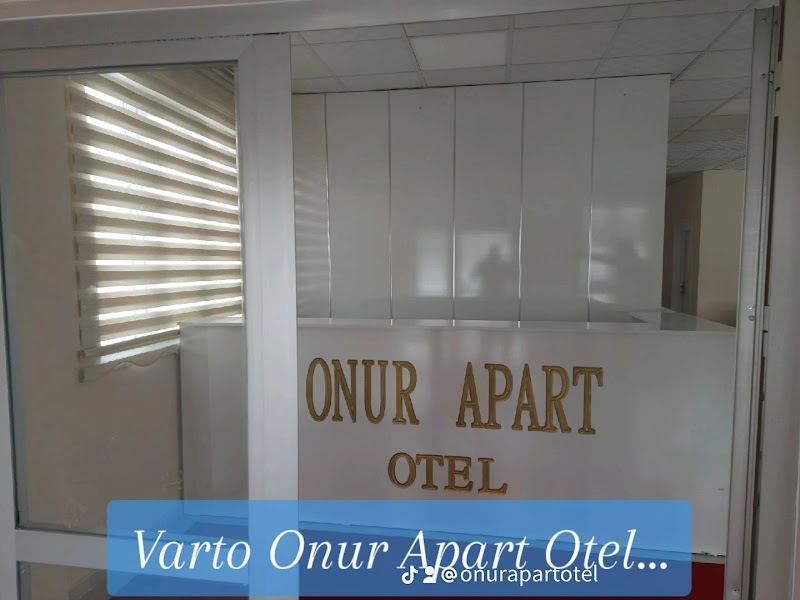
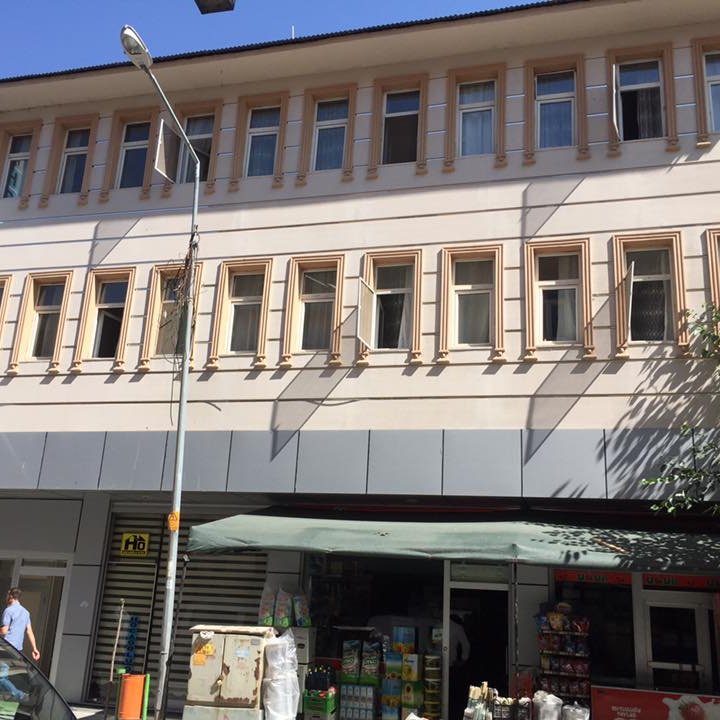
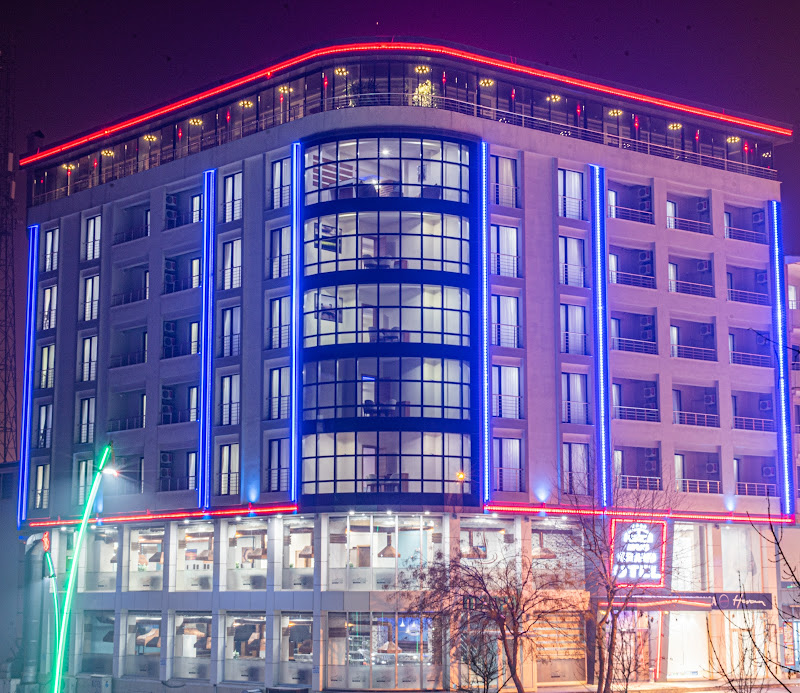
Mus
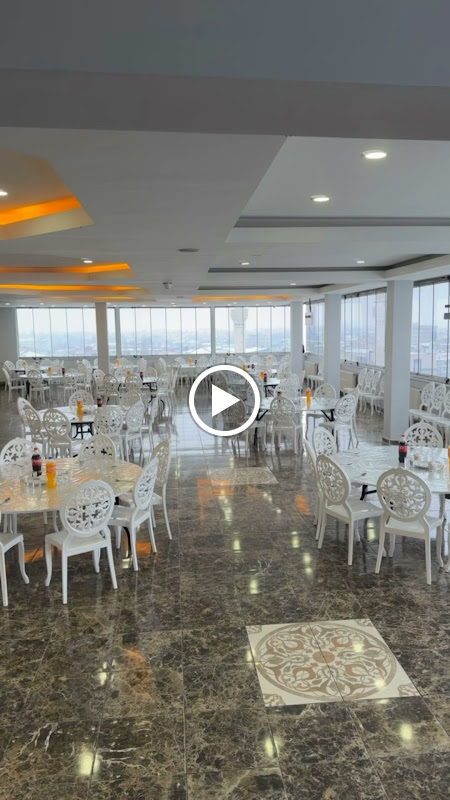
MUŞ GRAND OTEL
Warm rooms & suites with balconies in an upmarket hotel offering a restaurant, a hammam & a sauna.
 Istanbul Tours
Discover Istanbul with Curated Tour Programs
Historic neighborhoods, cultural sites, and local experiences designed for flexible Istanbul holidays.
View Istanbul Tours
Istanbul Tours
Discover Istanbul with Curated Tour Programs
Historic neighborhoods, cultural sites, and local experiences designed for flexible Istanbul holidays.
View Istanbul Tours
Mus
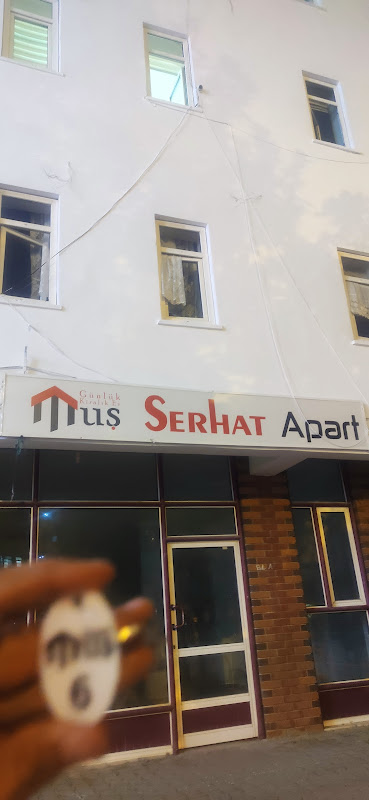
Muş Gezenler Apart
paydar market üstü, cumhuriyet caddesi kültür mahallesi no:53, Hastane Cd. No:26, 49120 Muş Merkez/Muş
Mus
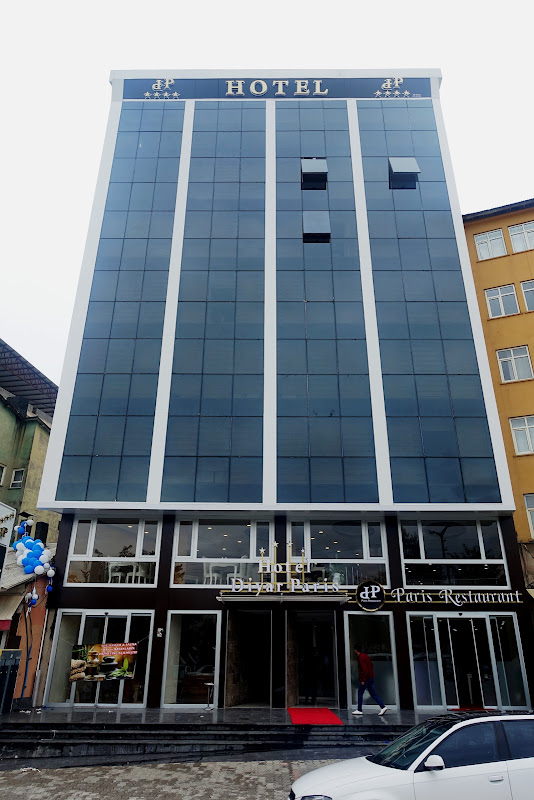
Muş Günlük Apart
Zafer Mah. Erzurum CAD. çevre şehircilik il müdürlüğü yanı 4 katlı bina, 49100 Muş Merkez/Muş

 Egypt Tours
Classic Egypt Tours and Nile Travel Ideas
Pyramids, Cairo and Upper Egypt itineraries with guided planning for first-time and repeat travelers.
See Egypt Tours
Egypt Tours
Classic Egypt Tours and Nile Travel Ideas
Pyramids, Cairo and Upper Egypt itineraries with guided planning for first-time and repeat travelers.
See Egypt Tours
Mus
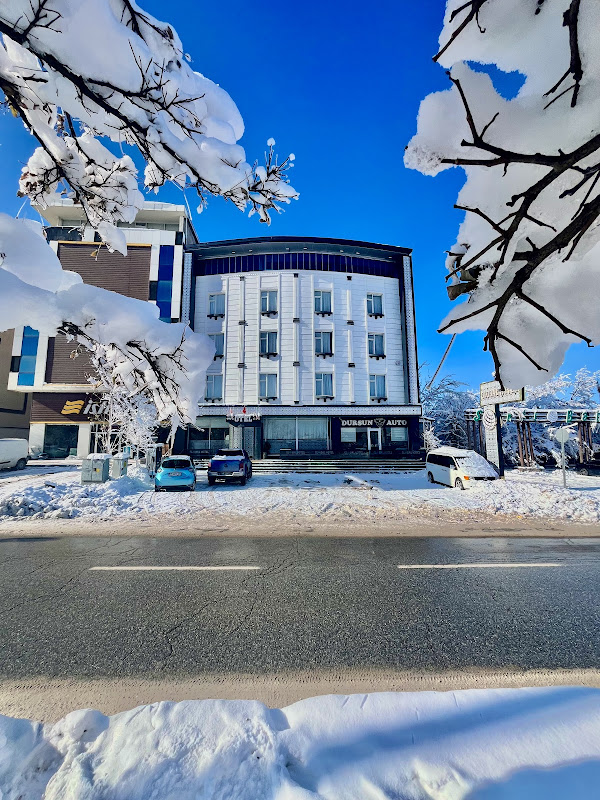
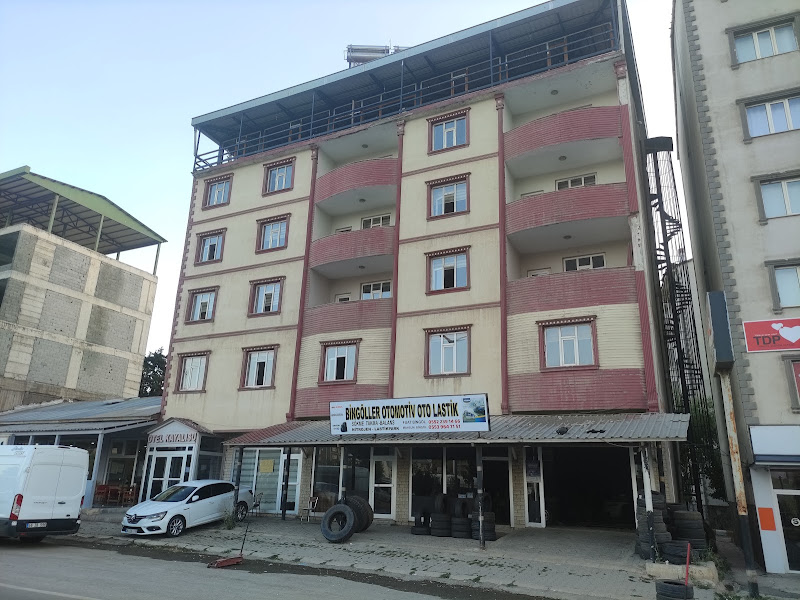
GLOBAL OTEL
East Anatolia Region, Zafer Mah. Erzurum Yolu 2. Km. Üzeri No:117 Zafer Mah. Erzurum Yolu 2. Km. Üzeri No:117, 49100
Mus
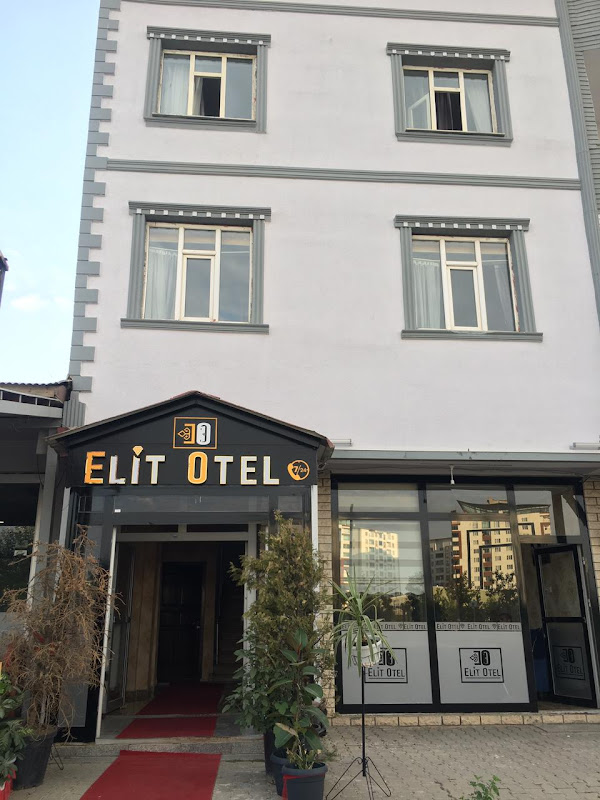
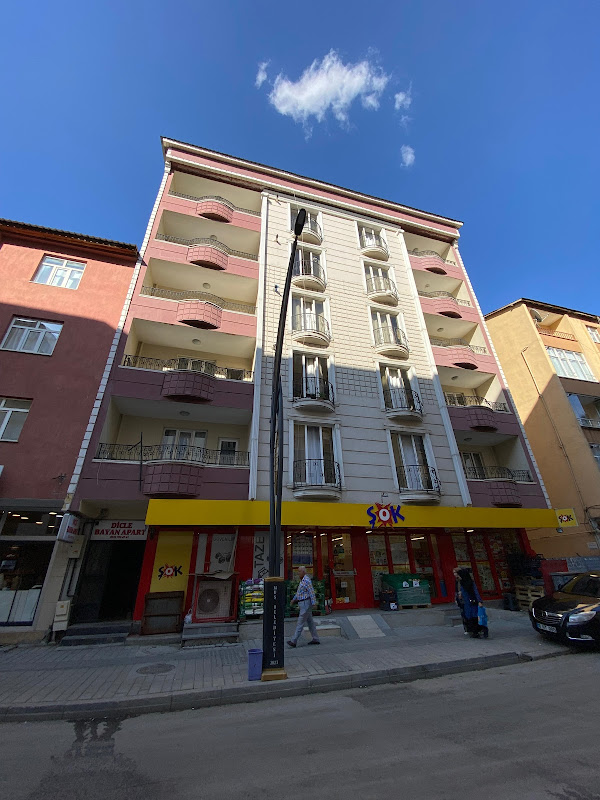
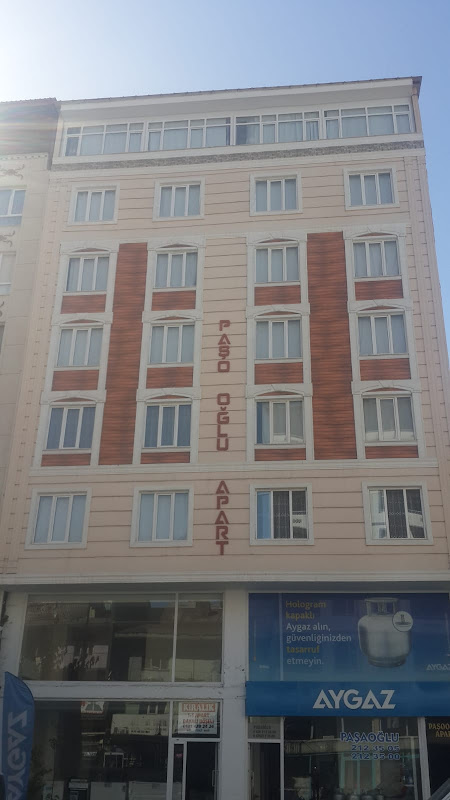
Elit Bayan Apart
Kültür Mahallesi, eski hastahane karşısı koç iş hanı, İstasyon Cd., 49200 Muş Merkez/Muş
 Antalya Tours
Discover Antalya with Guided Tours
Discover the beautiful coastline and historic sites of Antalya.
View Antalya Tours
Antalya Tours
Discover Antalya with Guided Tours
Discover the beautiful coastline and historic sites of Antalya.
View Antalya Tours
 Izmir Tours
Discover Izmir with Guided Tours
Explore the vibrant city of Izmir and its surrounding areas.
View Izmir Tours
Izmir Tours
Discover Izmir with Guided Tours
Explore the vibrant city of Izmir and its surrounding areas.
View Izmir Tours