
Destination
Tokat
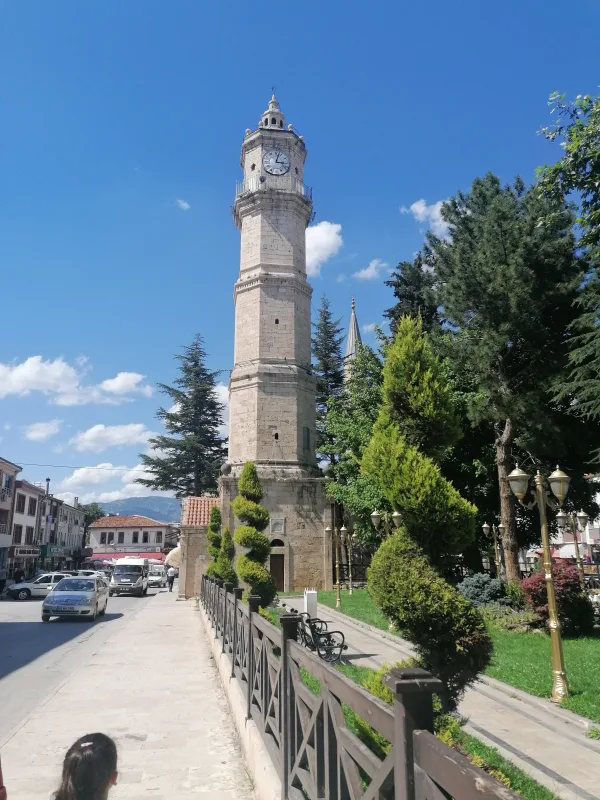
Tokat is one of Turkey’s most underrated cultural destinations for travelers who want ancient cities, Seljuk and Ottoman heritage, caves, castles, and rich regional touring in one trip. The province is especially valuable because its strongest travel demand is not limited to the city center, but expands through districts such as Zile, Niksar, Sulusaray, Pazar, and Almus. This makes it highly suitable for a platform that lists accommodation and also organizes tours, because hotel demand and excursion demand naturally support one another here. Whether travelers begin by comparing Tokat hotels in the center or choosing a practical Tokat hotel for a wider archaeology-led itinerary, the destination offers several useful stay options. For guests who want accommodation and sightseeing together, Tokat is also a very strong base for memorable Tokat tours.
Read more Show less
One of Tokat’s greatest strengths is that real travel intent is shaped by a combination of city heritage and powerful district-based routes. Some visitors come first for the old Tokat center, while others respond much more strongly to Ballıca Cave tour, Zile tour, Niksar tour, Sebastopolis tour, or a broader Hittite and ancient city tour in Tokat. This is especially important for a hotel and tour platform, because travelers often know that the province offers much more than one single urban stop. A guest may begin with a simple search for Tokat hotels and then quickly expand into ancient cities, cave routes, thermal areas, and historic district tours. In commercial terms, Tokat performs best when accommodation and regional touring are presented as one connected travel experience.
Tokat city center remains a highly practical base for first-time visitors because it places the museum, castle, historic trade streets, and major monuments within easy reach while also keeping district routes accessible. Guests who choose a central Tokat hotel usually want to combine the old city with full-day trips to Zile, Sulusaray, Niksar, or Ballıca without changing rooms. This kind of stay works especially well for cultural travelers, photographers, and guests building a multi-day route through inner Black Sea Anatolia. A well-located base also makes it easier to enjoy local food and evening walks after long archaeological or nature days. In practical tourism terms, central Tokat hotels help organize the province very efficiently.
The old center of Tokat is much stronger than many travelers initially expect and should always be central to the destination narrative. Official tourism sources highlight Sulu Street, Halit Street, Bey Street, Beyhamam Street, historic Tokat houses, and the city’s preserved commercial and residential fabric as part of the main urban experience. This is why phrases such as Tokat city tour, Tokat old city tour, and Tokat cultural tour fit naturally into the page. Travelers staying in Tokat hotels often appreciate that the city offers a genuine historical atmosphere rather than functioning only as a base for nearby ruins. For a hotel-and-tour platform, this gives Tokat a stronger and more complete stay identity.
Tokat Castle is one of the most important symbols of the city and should always be treated as a headline attraction. Official GoTurkey material notes that the castle was established in the Roman period for road security and later passed through Byzantine, Danishmend, Seljuk, Ilkhanid, and Ottoman control, which makes it one of the strongest historical anchors in the province. This is why phrases such as Tokat Castle tour, Tokat historical tour, and Tokat city center tour fit very naturally into the page. Many travelers staying in Tokat hotels begin their trip here because the site immediately gives them the city’s layered political and military history. In tourism terms, Tokat Castle is one of the strongest bridges between accommodation interest and heritage sightseeing.
Gök Medrese is another essential landmark and should never be omitted from a serious Tokat destination page. Official sources describe it as one of the great Seljuk works of the city, built in 1277 and distinguished by its stone, tile, and plaster decoration, making it highly important both architecturally and visually. This is why phrases such as Gok Medrese tour, Tokat Seljuk tour, and Tokat Islamic tour fit very naturally into the page. Guests staying in central Tokat hotels often appreciate how easily the medrese can be combined with Taşhan, Ali Paşa Mosque, and the old commercial streets in the same day. In destination terms, Gök Medrese gives Tokat one of its strongest and most marketable urban-cultural identities.
Yağıbasan Medresesi is equally important because it adds another powerful Seljuk and educational layer to the city. Official GoTurkey material emphasizes that Tokat’s Yağıbasan Medresesi is one of the earliest Anatolian madrasas with a closed courtyard, which makes it highly valuable for architectural and historical tourism. This is why phrases such as Yagibasan Medresesi tour, Tokat historical tour, and Tokat cultural route can be used very naturally in the page. Travelers staying in Tokat hotels often benefit from seeing that the city’s heritage is not limited to one or two monuments, but spreads across a dense historical core. For a hotel-and-tour platform, that density makes Tokat much more attractive as a real stay destination.
Taşhan, Arastalı Bedesten, and the older commercial route are also essential because they show how visitors actually experience the city from morning to evening. Official destination pages place Taşhan, Yazmacılar Han, Arastalı Bedesten, and the historic trade streets right at the center of Tokat’s urban narrative, which makes them highly relevant for a realistic tourism page. This is why phrases such as Tokat old bazaar tour, Taşhan tour, and Tokat museum route fit naturally into the description. Guests staying in Tokat hotels often enjoy moving from museums and medreses into these more lived-in local spaces without leaving the same district. In tourism terms, this gives Tokat a warmer and more textured identity.
Komana Ancient City is one of the most important reasons Tokat should be treated as a serious archaeological destination and not only as a historical city. Official GoTurkey material describes Komana as a major temple-state of the Hellenistic period dedicated to the Mother Goddess Ma and notes its role as a year-round religious and trade center. This is why phrases such as Komana Ancient City tour, Komana tour, and Tokat ancient city tour fit very naturally into the page. Many travelers interested in ancient Anatolia do not realize at first that the Tokat center also connects directly to a major ancient sanctuary landscape. For a hotel-and-tour platform, Komana helps make Tokat far more compelling for high-intent cultural travel.
Ballıca Cave is one of the strongest natural attractions in the entire province and should always be treated as a headline stop. Official sources identify Ballıca Cave Nature Park as a natural heritage site on Turkey’s UNESCO Tentative List and note that the cave is about 3.4 million years old, with a walkable height of 94 meters and globally notable formations. This is why phrases such as Ballıca Cave tour, Ballıca Cave Nature Park tour, and Pazar Tokat tour are among the most important nature-related keywords for the province. Many travelers staying in Tokat hotels choose Ballıca as the major nature day of their trip because it offers a very different experience from ancient cities and the urban center. In tourism terms, Ballıca is one of Tokat’s strongest visual and family-friendly attractions.
The appeal of Ballıca is especially strong because it combines scale, scientific curiosity, and memorable visual drama in one route. Travelers are drawn by the illuminated galleries, the cave’s age, the onion stalactite formations noted in official sources, and the feeling of entering one of Turkey’s most impressive underground spaces. This makes a Ballıca Cave tour especially attractive for families, couples, nature travelers, and photographers. Guests staying in Tokat hotels often appreciate how easily the cave can be built into a broader route with Zile or Pazar-side stops. In destination terms, Ballıca gives Tokat a powerful nature identity alongside its ancient-city tourism.
Zile is another essential destination and should always be given major emphasis in long-form content, especially because the user specifically noted that tour demand often comes through ancient cities and archaeological layers. Official GoTurkey material describes Zile Castle as a Roman-period fortress built on a mound with an acropolis character and also ties the district to the famous “Veni Vidi Vici” tradition associated with Julius Caesar. This is why phrases such as Zile tour, Zile Castle tour, Zela ancient city tour, and Zile historical tour fit very naturally into the page. Many travelers who want a stronger ancient and classical-historical route in Tokat province respond directly to Zile. For a hotel-and-tour platform, Zile is one of the most commercially important sub-destinations in the province.
Maşat Höyük strengthens the Zile side even further and should never be forgotten in a serious Tokat destination page. Official sources explain that excavations at Maşat Höyük revealed Hittite cuneiform tablets and important remains from the Bronze Age, Hittite, and Phrygian periods, making it one of the province’s most significant archaeological sites. This is why phrases such as Masat Hoyuk tour, Hittite tour in Tokat, and Zile ancient site tour fit naturally into the description. Travelers interested in deep historical continuity often appreciate that Tokat offers not only classical and Roman sites, but also major Bronze Age and Hittite layers. In destination terms, Maşat Höyük is essential for presenting Tokat as a real archaeological region.
Niksar is another major destination and should always appear in a complete Tokat page because it adds strong historical, castle, and district-based accommodation logic. Official tourism material highlights Niksar Castle, the Roman-period Arsenal, Yağıbasan Medresesi, and the district’s long history as ancient Cabeira and later Neocaesarea. This is why phrases such as Niksar hotels, Niksar hotel, Niksar tour, and Niksar Castle tour fit very naturally into the page. Many travelers looking for a broader Tokat itinerary or a district-based stay compare Niksar directly rather than only the province center. For a hotel-and-tour platform, Niksar gives the province another strong and independent tourism brand.
Sulusaray is another essential tourism name and should always be given strong emphasis because it connects ancient-city travel with thermal tourism. Official GoTurkey material identifies Sebastopolis Ancient City in the Sulusaray district center and also notes that the hot springs rise among the ruins, creating a very unusual combination of archaeology and wellness. This is why phrases such as Sebastopolis tour, Sulusaray ancient city tour, Sulusaray hotels, and Sulusaray thermal hotel fit very naturally into the destination structure. Some travelers come to Sulusaray specifically because they want a route that combines Roman-Byzantine remains with thermal comfort. In tourism terms, Sulusaray gives Tokat one of its most distinctive and marketable mixed-purpose travel identities.
The appeal of Sulusaray becomes even stronger because it broadens Tokat beyond conventional city and ancient-site tourism. Travelers can explore Sebastopolis and then immediately connect that experience with Sulusaray Hot springs, which official sources note at 55°C and identify as the region’s most important hot spring area. This makes phrases such as Sulusaray thermal tour, Sebastopolis and hot springs tour, and Sulusaray spa hotel especially believable and useful for a hotel-and-tour platform. Guests interested in both cultural and restorative travel often respond strongly to this combination. In destination terms, Sulusaray makes Tokat much more versatile than many inland provinces.
Almus is another important district and should always appear in long-form content because it gives the province a stronger lake-and-nature identity. Official provincial tourism pages identify Almus Forest Houses Nature Park and also list Zinav Lake Nature Park among Tokat’s notable natural areas, which shows that the province is not limited to ruins, caves, and city monuments. This is why phrases such as Almus tour, Almus hotels, Zinav Lake tour, and Tokat nature tour fit naturally into the page. Travelers staying in Tokat hotels often appreciate these routes because they create a softer and greener day after dense archaeology-focused sightseeing. For a hotel-and-tour platform, Almus helps balance Tokat’s tourism identity very effectively.
The province is also highly suitable for flexible tour formats, which is one of its strongest practical advantages. A half day Tokat city tour can focus on Gök Medrese, Tokat Castle, Taşhan, the museum, and the old trade streets, while a full day Tokat tour can move outward toward Ballıca, Zile, Niksar, or Sulusaray depending on the traveler’s interests. Guests staying longer can then add separate days for Hattusa-style Hittite history through Maşat Höyük, ancient-city routes through Komana and Sebastopolis, and softer nature stops in Almus or Zinav. This flexibility is highly valuable for cultural travelers, photographers, and private-route visitors. In practical tourism terms, Tokat is much easier to build into a rewarding itinerary than many travelers first assume.
Because Tokat supports several different travel purposes, hotel choice should always be linked to the visitor’s actual goal. Some guests will want a central Tokat hotel for city heritage and broad regional access, while others may compare Niksar hotels, Sulusaray hotels, or even smaller district stays to shorten specific routes. Travelers focused on the Hittite and ancient-city line may want to combine Tokat hotels with repeated day trips, while those interested in thermal stays may lean more toward Sulusaray thermal hotel options. This variety is one of the strongest reasons the province works so well on a hotel-and-tour platform. A strong destination text should help the traveler understand how each base creates a different style of Tokat trip.
Private and group formats both work very well in Tokat because the province serves several distinct travel motivations. A private Tokat tour is ideal for couples, families, photographers, and travelers who want flexible pacing between the city center, Ballıca Cave, Zile, Niksar, Sulusaray, and Komana. At the same time, group Tokat tours, a small group Hattusa-style Hittite route in Tokat, or a focused Zile and Maşat Höyük tour remain highly attractive for guests seeking easy logistics and strong value. This range is especially useful for a hotel-and-tour platform because it allows one destination page to serve archaeology travelers, city-break travelers, thermal travelers, and nature-focused guests at the same time. In tourism terms, flexibility is one of the strongest reasons Tokat converts well from inspiration into bookings.
For all these reasons, Tokat should be presented as one of Turkey’s most complete inland cultural destinations rather than only as a historical provincial city. It offers the urban-cultural strength of Tokat hotels, Tokat city tour, Gok Medrese tour, and Tokat Castle tour, the major natural appeal of Ballıca Cave tour, the ancient-city power of Komana Ancient City tour, Zile ancient city tour, Masat Hoyuk tour, and Sebastopolis tour, and the broader district richness of Niksar hotels, Niksar Castle tour, and Sulusaray thermal hotel. Travelers may begin with a simple hotel search, but their plans usually deepen once they discover how strongly the province combines Seljuk and Ottoman city heritage, Hittite and Roman archaeology, caves, castles, and thermal routes. That is exactly why Tokat is so valuable for a platform that lists hotels and also organizes tours. It is a destination where strong archaeological identity, subregional variety, memorable scenery, and real booking intent come together in one highly marketable travel experience.
Hotels in Tokat
Curated listings
0 hotels